Cutlass vs Machete: Is the Difference a Name, a Shape, or a Market?
An importer requests 5,000 cutlasses. A factory sends a machete Cutlass vs Machete quotation. Is the factory offering the wrong product, or translating a local name?
Either is possible. In some agricultural markets, cutlass names a farm blade that suppliers elsewhere group under machetes.
The terms may overlap, but neither word proves that the offered size, profile, and handle match the customer’s expected tool.

When Is the Difference Mainly a Name?
In some English-speaking Caribbean markets, farmers call agricultural cutting blades cutlasses. Other markets and catalogs may call related tools machetes.
The word “machete” often serves as a broad international category. “Cutlass” may be the name workers and retailers use locally.
In another context, cutlass can mean a historical short sword. Search results and translations can therefore mix unrelated buying intentions.
State “farm cutlass” or “agricultural cutlass” when the intended product is a field tool. This makes the request clearer.
Do not turn a regional naming tendency into a universal rule. Customers within one country can use different words for different patterns.
A local word is valuable for marketing because it helps buyers find the product. It is not enough for manufacturing or inspection.
Ask what users call their current blade, then request a photograph of that actual tool. The two pieces of information work together.
If a catalog uses both Cutlass vs Machete for one model, give that model a stable code. The code should point to one approved specification.
When names differ but the dimensions and sample match, a simple translation may be the only issue.
Request a Wholesale Quote:Whatsapp : (+86 13383021196) E-mail : gemlight@ganzhedao.com
When Does Blade Shape Matter?
Some customers use “cutlass” for a familiar local profile, not merely any machete-shaped cutting tool. Others are open to several patterns.
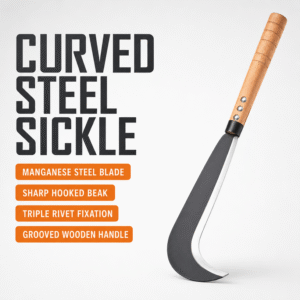
Compare the full blade outline, including its tip, working edge, and widest point. A front photo alone may hide thickness and curvature.
Measure blade length and total length separately. Mark where the supplier must start and end each measurement.
Record widths at more than one position. Two tools may share maximum width yet distribute metal differently toward the tip.
Ask for the finished unit weight and let users feel the balance. A cutlass with the same nominal size can swing differently.
Examine the handle construction and grip. Changing the handle can make a technically similar blade unacceptable to regular workers.
Check edge condition and finish. A quote for a partially sharpened tool cannot be compared directly with a ready-to-use product.
An approved sample clarifies which physical differences are acceptable. A loosely described “standard cutlass” cannot perform that job.
Do not assume a cutlass must always be curved, or that a machete must always be straight. Actual commercial ranges are more varied.
How Does the Destination Market Change the Order?
Local retailers know which words customers search for. Ask them which products repeat buyers request, not only which name appears in advertisements.
A distributor may need cutlass printed on the carton while the factory’s internal category says machete. That is manageable when model codes match.
A government tender might specify cutlass and list exact measurements. The written tender controls; do not supply a different shape because names overlap.
Where specifications are vague, seek clarification through the buyer’s process. Record any accepted interpretation before production.
Confirm local legal and import requirements with the destination’s qualified advisers when relevant. A marketing term does not determine customs classification.
Do not state one universal tariff code for cutlass or machete without reviewing the actual product and destination rules.
Packaging language also matters. A carton showing the wrong local term can create confusion even when the blade itself is correct.
Separate local naming from physical acceptance. You can adapt the label without changing an approved tool; changing the tool needs separate approval.
If selling across several markets, maintain a cross-reference table of local names and model codes. Never collapse different patterns under one code.
Request a Wholesale Quote:Whatsapp : (+86 13383021196) E-mail : gemlight@ganzhedao.com
Write a Quote That Cannot Be Misread
Use both names when appropriate: “farm cutlass (machete), model C-01.” The example code should be replaced with your actual controlled SKU.
Attach a drawing or signed reference sample. Include blade length, overall length, widths, thickness, tip, weight, and handle details.
Define steel, edge finish, surface treatment, protection, and packing. Make the unit price scope explicit.
Ask the supplier to list deviations in a separate column. Do not treat silence as approval of a substitution.
For repeat orders, compare the production sample with the previously accepted model. The product name may remain unchanged while details drift.
Check the previous order’s complaint log. If workers reported a loose handle or different swing feel, identify which version they received.
Ask the factory to confirm whether tooling, handle supply, and finishing steps remain the same. Any change should trigger a documented sample review.
Keep customer-facing labels separate from technical revision numbers. A carton can still say “cutlass” while an updated model needs fresh approval.
Give inspectors the same drawing used for quotation. An inspection based on a different catalog photograph can create avoidable disputes.
If a tender asks for a specific test or certificate, request that document. General factory claims are not replacement evidence.
A buyer can therefore ask three questions: Is the name local? Does the shape match? Is the approved model right for this market?
Only after all three are answered should a price comparison begin. Cheap offers for the wrong farm blade are not savings.
The Practical Answer for Importers
Cutlass versus machete can be a naming difference, a shape difference, or both. The destination market tells you which question to ask first.
Use the local term on your customer-facing page. Use a precise model code and approved specification in your purchase documents.
When comparing factories, send the same photos, drawing, and finished sample requirements. That makes quotation differences visible.
Send your local cutlass reference and intended farm task with an inquiry. We can discuss a matching machete-family model without guessing from the word alone.
Request a Wholesale Quote:Whatsapp : (+86 13383021196) E-mail : gemlight@ganzhedao.com