Cane Knife vs General-Purpose Machete: Which Fits Sugarcane Buyers?
A sugarcane importer sees a broad cane knife and a longer general-purpose machete. Both can cut vegetation. Which belongs in a harvesting order?
Start with the work the crew performs. A blade for repeated cane cutting near stalk bases may differ from one chosen for clearing field margins.
Cane Knife vs General-Purpose Machete:A general-purpose model is not automatically wrong. A dedicated cane knife is not automatically right. Test the proposed tool against local practice.

Separate Harvesting From Field Maintenance
Ask the buyer whether workers cut mature cane by hand, trim foliage, clear weeds, or maintain access paths. One crop creates several tool needs.
Manual harvesting focuses on stalks and handling the cut material. General field maintenance can require longer swings through mixed vegetation.
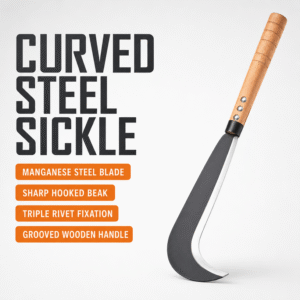
A cane-knife category includes different profiles. Catalog examples include broad blades, straight blades, hooked tips, and long-handled options.
A general-purpose machete also varies. Some bush-style versions have straighter backs and longer reach for clearing green growth.
Do not assume a hook is essential for all cane crews. Ask whether users actually rely on it when working in their fields.
If an order is for a farm supply shop, find out which job customers associate with the product name. The shelf label may be broader than its use.
For a tender, distinguish the specified harvesting tool from any separately listed clearing tools. One inexpensive model may not satisfy both lines.
Ask for a reference tool from the intended workers. Its condition, modifications, and wear can reveal how it has been used.
Used blades may have changed shape through sharpening. Compare unworn areas or obtain a new reference where possible.
Request a Wholesale Quote:Whatsapp : (+86 13383021196) E-mail : gemlight@ganzhedao.com
Compare Blade and Tip Details Side by Side
Photograph both offered tools flat with a ruler. Include the entire tip, handle, and the blade-to-handle connection.
Record blade length and overall length using the same measurement method. Nominal product sizes are not always comparable.
Measure width near the handle and at the widest point. A broad front can change how the tool feels during a low cut.
Confirm whether the tip is hooked, rounded, squared, or another approved form. Do not rely on the single word “cane.”
Check edge position and condition. A blade with an established bevel may still need sharpening before workers can use it.
Request thickness and complete unit weight. A general-purpose blade of similar length may still be lighter or differently balanced.
The handle also needs comparison. Grip length, shape, material, and fastening can affect control during repeated cane cutting.
Ask whether a guard or sheath is included. A hooked blade may need different packing protection from a straight one.
Do not infer material quality from a product pattern. Confirm the offered steel and any testing requirements separately.
Test Which Tool Fits the Buyer
Invite local cane workers to try finished samples using their normal technique. Record the tasks rather than asking only which knife they “like.”
Observe cuts near the stalk base, control around neighboring plants, and handling of cut cane where relevant.
Compare how both samples feel after repeated work. A single dramatic cut cannot show whether a tool is comfortable over time.
Ask whether the tip gets in the way or helps with the crew’s routine. Different harvesting methods can produce different answers.
Check whether the current sharpening method works on the proposed edge. Maintenance compatibility can matter to buyers serving many farms.
If workers also clear brush, test that task separately. A mixed-use tool may be an acceptable compromise, but name the tradeoff.
A short trial cannot prove long-term durability. Inspect handle fit and edge wear, then agree on further checks for production.
Track whether users resharpen a blade during the trial. Frequent touch-ups may change the real labor cost behind a lower unit price.
Ask workers which tool they choose voluntarily after trying both. Their choice helps reveal whether a mixed-use compromise is acceptable.
If crews cut cane in different row conditions, repeat the test across representative sites. A single plot may hide handling problems.
Do not use supplier videos from another region as proof of local suitability. Field conditions and user habits may differ.
If buyers disagree, consider whether you serve two customer groups. Avoid imposing one pattern across all sugarcane users.
Request a Wholesale Quote:Whatsapp : (+86 13383021196) E-mail : gemlight@ganzhedao.com
Cane Knife vs General-Purpose Machete:Quote Comparable Finished Products
Ask each supplier to quote the same approved drawing or reference sample. Identify any alternative general-purpose model separately.
Specify blade profile, tip, dimensions, weight tolerance if required, handle, steel, surface finish, edge condition, and packing.
Ask for a finished sample, not only a blade blank. The handle and delivered edge are part of the worker’s experience.
Check whether quotations include sharpening and edge protection. A lower bare-blade price may not reflect the delivered requirement.
If hardness is specified, agree on a method and acceptance range with the buyer. Avoid adopting unsupported marketing claims.
For tenders, complete a compliance sheet against each mandatory item. Seek written approval for any proposed substitution.
Keep the signed sample and controlled model code with the order. Prevent a factory from replacing it with another blade from the same broad category.
Agree on inspection points and acceptable deviations before production. Sample approval matters only when bulk goods can be checked against it.
Which Should a Sugarcane Buyer Choose?
Choose a cane knife when the crew’s harvesting task and local sample call for its crop-focused profile, tip, or grip.
Choose a general-purpose machete when workers actually prefer it for their stated task, and the order allows that pattern.
If the buyer needs both harvesting and clearing, two distinct models may be better than forcing one tool to cover both jobs.
The right decision is based on the finished sample in use, not a catalog claim that one blade can handle every farm task.
Share your current harvesting knife, work method, and required packing when asking for a quote. We can discuss matching cane and general-purpose options.
Request a Wholesale Quote:Whatsapp : (+86 13383021196) E-mail : gemlight@ganzhedao.com