Quick Answer
Use end-user feedback to decide whether a repeat machete order should stay unchanged, correct a verified defect, or trial a separate variant. Tie every report to a model, batch, task and period of use. Compare complaints with positive feedback, returns and sales before changing the approved sample; then document the decision in the next purchase order.
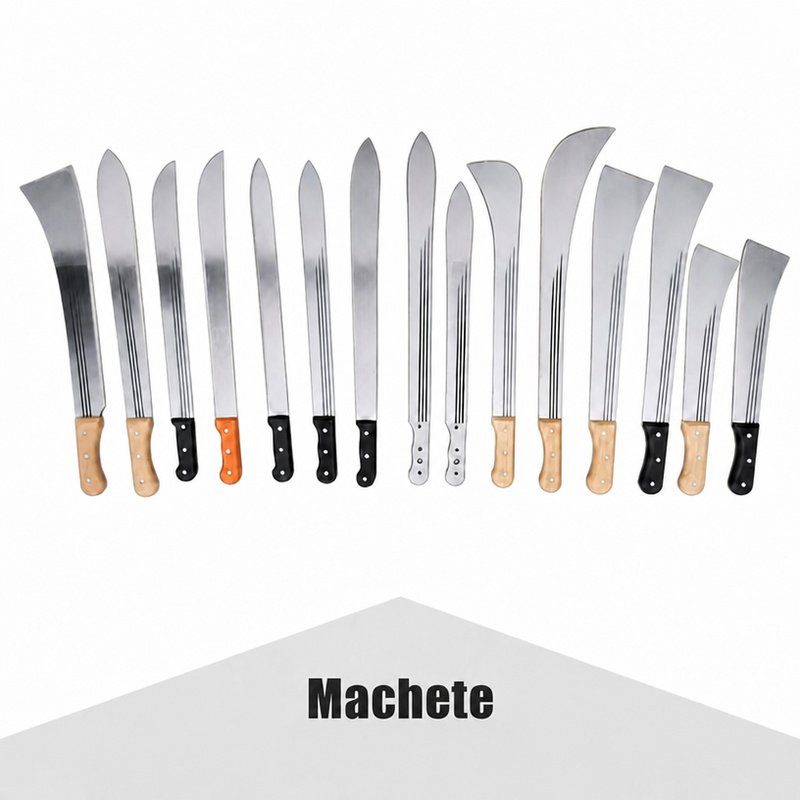
Key Takeaways
- A complaint without a model and use context cannot identify which product needs changing.
- One reported failure does not establish a whole-batch failure rate.
- Any revised design needs its own approved sample and traceable revision.
- Request a Wholesale Quote:Whatsapp : (+86 13383021196) E-mail : gemlight@ganzhedao.com
Collect Feedback That Identifies the Actual Tool
A sellout alone does not tell a distributor whether to reorder the same design. Ask each user for the model code, purchase date, main cutting task and length of use before interpreting a comment.
Keep local names such as panga or cutlass in customer notes, but link them to the supplier’s actual SKU. Request the batch or carton marking where available: complaints clustered in one shipment may point to a different problem from a recurring design complaint.
Ask for photographs of the whole tool and the affected area, not just an extreme close-up. Confirm whether the blade was supplied field-ready or factory-ground for further sharpening; first-use expectations affect feedback.
Record affected-unit counts alongside units sold, remaining stock and returns. Include praise for the grip, balance or outline so a proposed fix does not remove a feature customers value. Also ask retailers what buyers choose instead; dissatisfaction may appear as lost repeat sales rather than a return.
Separate Handling, Use Conditions and Manufacturing Issues
“Too heavy” may refer to total weight, forward balance, grip size or fatigue during repeated cuts. Ask which task exposed the problem before changing the blade specification.
A dull edge could reflect the delivered finish, abrasive vegetation or maintenance. Compare returned units with the approved sample. Document strikes against wire, stones or soil separately from ordinary cutting before attributing chips to production.
Inspect loose handles against assembly records and unaffected units. For corrosion, check storage, coating and packing as well as material. Compare reports across farms, techniques and seasons; one site does not represent the entire market.
| Reported observation | Evidence still needed | Purchasing action |
|---|---|---|
| Awkward reach or grip | Task, user group, finished model and comparison with the accepted sample | Trial a coded alternative while retaining the current model. |
| Dull or chipped edge | Promised edge finish, sharpening history and contact with hard objects | Separate finishing issues from unusual damage before revising the RFQ. |
| Loose handle | Age of tool, batch concentration, assembly records and unaffected units | Check the relevant assembly step and early production samples. |
| Corrosion or reduced repeat demand | Storage, coating, packing and retailers’ substitution records | Test the likely cause before altering material or stock range. |
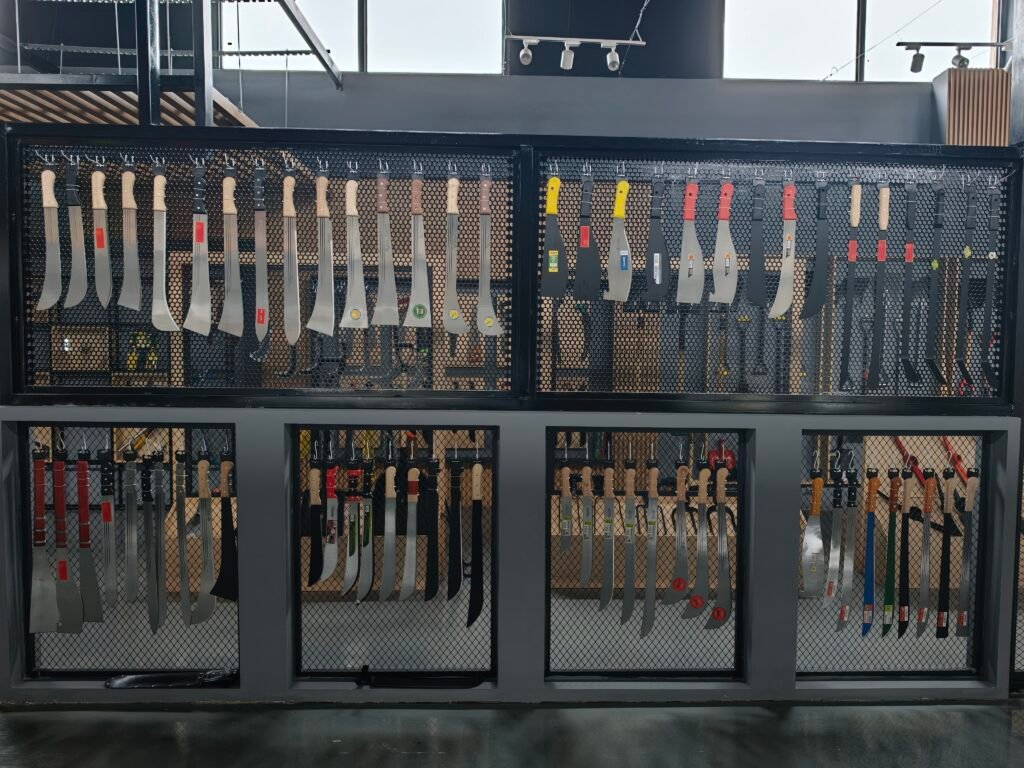
Decide What to Keep, Fix or Trial
Keep the accepted outline and handle when users continue to prefer them and no recurring fault is documented. Fix a verified assembly or finishing problem at its source rather than changing the whole profile.
When several users struggle with reach in crowded rows, test a shorter option alongside the original. If crews prefer different sizes for different tasks, retain distinct model codes instead of forcing one replacement across the range.
Define what a successful retest would show, then let representative users compare finished samples. Record first impressions and later comfort; do not claim a quantified fatigue reduction from an informal trial.
Keep a decision log: issue, supporting evidence, proposed correction, approved sample and date. If evidence is weak, reorder the accepted model while testing the alternative separately. A supplier substitution is not the same as a buyer-approved revision.
Specify and Inspect the Next Machete Order
Carry the accepted drawing and finished sample into the new order. Keep the model code for an unchanged product; give a revised configuration a recognizable revision or separate code.
Repeat-order RFQ checklist:
- Model, revision and approved sample: identify the exact product so a familiar family name cannot mask a substitution.
- Blade outline and measurement points: state dimensions and agreed tolerances so inspectors can compare batches consistently.
- Delivered edge and finish: clarify any requested sharpening or coating so first-use expectations match the quote.
- Handle construction and approved changes: disclose tooling, material or supplier changes so a grip or joint does not change unnoticed.
- Batch evidence and early-production checks: request relevant current-batch records and sample comparisons rather than reusing old claims.
- Carton labels, packing and variant separation: prevent similar sizes or profiles being mixed during storage and distribution.
Request a controlled repeat quotation against the accepted model or documented revision before releasing volume.
Review initial deliveries with distributors and users. Track later complaints by batch and task to distinguish a production trend from unusual local conditions.

Request a Wholesale Quote:Whatsapp : (+86 13383021196) E-mail : gemlight@ganzhedao.com
Buyer FAQ
Should a popular model change because of a few complaints?
Not automatically. Check frequency, batch, task and the failed part; preserve features buyers continue to value while testing a suspected improvement separately.
How can a buyer tell a design problem from a batch problem?
Compare the same observation across shipments and users, then inspect affected units against the retained sample and production records.
What if users want a sharper first-use edge?
Confirm the original promised condition, agree on the new finishing requirement and inspection check, then quote the change explicitly.
Do low returns prove the product is satisfactory?
No. Review repeat purchases, remaining stock and retailer substitutions; some dissatisfied users switch models without returning the tool.