Which Farm Blade Pattern Works for Brush Clearing Rather Than Cane Cutting?
A buyer asks for a machete to clear overgrown field edges. A supplier offers a broad cane knife. Will it solve the same problem?
It may cut some brush, but shared cutting ability does not make the patterns interchangeable. Brush clearing and cane harvesting start from different work.
Choose by vegetation, swing space, and user preference. The blade’s job matters more than a broad catalog category.

What Is Different About Brush Clearing?
Brush clearing can mean light grass, vines, mixed stems, or tougher saplings. Ask which plants make up most of the daily work.
Workers may swing repeatedly across an open area or make shorter cuts around crops. These situations can favor different reach and control.
A longer, relatively narrow bush-style machete is one common clearing option. It can offer reach for vegetation away from the user’s body.
A shorter, broader blade may be preferred where chopping action matters more. That preference still needs confirmation from local users.
Do not imply every dense growth requires the thickest blade. Material, edge shape, balance, and the user’s technique also affect results.
If cutting involves substantial wood, ask whether a different tool is more appropriate. A hand machete should not be presented as a universal replacement.
Clarify whether there are rocks, fences, or young crops nearby. Controlled cuts may matter more than maximum reach in a crowded field.
Note how much of the day workers spend cutting. A tool that feels powerful for one stroke may feel tiring after repeated use.
Request a Wholesale Quote:Whatsapp : (+86 13383021196) E-mail : gemlight@ganzhedao.com
Why a Cane Knife May Be the Wrong Default
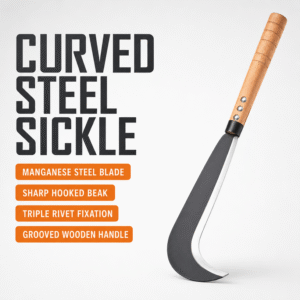
Cane knives are sold around crop work, particularly fibrous stalks. Catalogs include broad, straight, slender, and hooked examples.
A hook that helps manage harvested material may add little value in open brush. It can also change how the tip moves among branches.
A wide cane blade can be useful in some other jobs, but that does not automatically make it the best brush-clearing choice.
Conversely, a long bush blade might reach weeds well while feeling awkward for low, close cuts at a cane base.
Compare the cutting motion, not only the vegetation’s toughness. Tool balance and tip shape influence how workers control repeated strokes.
Do not divide all products into “light brush” and “heavy cane.” Both uses contain variation, and local techniques can differ.
If a market uses the same named tool for both jobs, ask for a field demonstration. The name may hide a compromise that users accept.
A buyer stocking two distinct patterns can serve two needs. However, do not add a second SKU merely because a supplier uses a separate label.
Which Features Should Importers Compare?
Start with blade length and overall length. Record the measurement points, since a nominal size on a carton may be ambiguous.
Document the full outline, maximum width, tip profile, and edge location. A cropped product image is not enough for pattern selection.
Check blade thickness and unit weight. Compare finished tools with handles fitted, not loose metal blanks.
Feel how the weight is distributed. Two similarly sized blades may handle differently because of profile and handle construction.
Assess grip shape and fastening on a sample. A loose or uncomfortable handle can undermine an otherwise suitable clearing blade.
Ask what edge finish the supplier provides. A factory-established bevel does not necessarily mean the tool arrives ready for use.
Request steel identification and any required test evidence. Broad promises about “strength” cannot replace agreed material or inspection criteria.
Confirm whether guards or sheaths are included. Open cutting edges need suitable handling and packing during shipment.
Compare the proposed tool with a locally accepted blade. If possible, ask workers to perform the same clearing task with both.
Note whether they prefer more reach, less weight, or more control. These observations can guide a useful change in specification.
Request a Wholesale Quote:Whatsapp : (+86 13383021196) E-mail : gemlight@ganzhedao.com
Build a Simple Field Comparison
Choose a representative patch of vegetation and the intended workers. Avoid judging tools on a single unusual stem.
Have workers use each tool on similar tasks under the same conditions. Ask them to report control, grip, effort, and maintenance needs.
A short trial cannot prove long-term durability, but it can expose an immediate mismatch in pattern or handling.
Watch whether the blade catches vines or slips off flexible stems. Note what happens when workers need a precise cut near planted rows.
Repeat the comparison after ordinary sharpening if the crew will maintain the tools locally. The first factory edge may not represent later use.
Inspect the blades and handle joints afterward. If damage appears, record the condition and discuss it before approving the model.
Write down which task each option handled well. “Best overall” is less useful than clear results for vines, mixed brush, and close cuts.
Do not claim a winner based solely on the longest blade. A worker’s repeated-use feedback is relevant to stock selection.
If there is no field trial, treat a supplier recommendation as a starting option. Request a sample before making a bulk commitment.
For tenders, use the official test and compliance criteria rather than inventing a private substitute for mandatory requirements.

What Belongs in a Brush-Clearing Inquiry?
State the destination market and describe the vegetation. Include whether users clear open paths, farm edges, or growth close to crops.
Attach a local reference sample or drawing. Specify length, width, tip, handle, weight preference, finish, and packing requirements.
Ask suppliers to quote a brush-clearing pattern and identify any offered cane knife as an alternative. Do not mix the two silently.
Request front and side sample photographs with measurements. Approve the complete finished tool before repeating it in a large batch.
The practical answer is not one universal pattern. For repeated brush work, start with a locally accepted clearing blade, then test alternatives.
Send your clearing task and current tool when requesting a quotation. We can help compare profiles without assuming a cane knife fits.
Request a Wholesale Quote:Whatsapp : (+86 13383021196) E-mail : gemlight@ganzhedao.com