How Do Buyers Select Cane Knives for Sugarcane Harvesting?
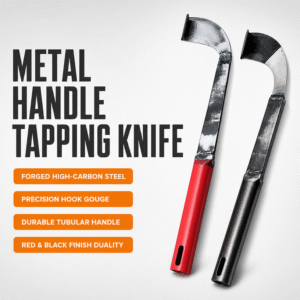
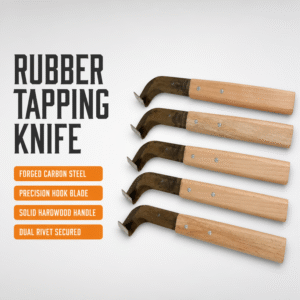
A catalog shows three cane knives with different tips and handles. Which one should a buyer supply to a manual harvesting crew?
Start with the crew’s cutting method and current tool. “Sugarcane knife” names the job, but it does not define one universal design.
Buyers should confirm the working pattern, sample performance, and shipment details before comparing prices. Otherwise, the cheapest quote may describe a different product.

Cane Knives for Sugarcane Understand How the Crew Cuts Cane
Ask where the worker makes the main cut and how harvested stalks are moved. These answers help narrow blade shape and tip options.
Some tools use a broad cutting section. Others use a longer, slimmer blade. The right choice depends on local technique and plant conditions.
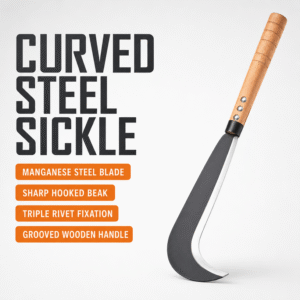
A hooked tip may help pull or manage cut cane. However, not every cane knife is hooked, and not every crew wants that feature.
Find out whether the tool also trims leaves or clears surrounding growth. If it does, ask which job must take priority.
Do not assume a blade sold for brush clearing works equally well at the cane base. The working distance and motion can differ.
Ask whether workers use one hand or a different local grip. Handle length and clearance should reflect the actual method.
Collect feedback from people who cut cane daily, not only purchasing staff. A model that looks familiar on paper can feel unfamiliar in the field.
If the existing knife works, document what users like about it. Improvement requests should be specific, such as grip shape or edge preparation.
Request a Wholesale Quote:Whatsapp : (+86 13383021196) E-mail : gemlight@ganzhedao.com
Compare the Tip, Edge, and Blade Profile
Place full-length front photographs side by side at the same scale. Mark tip shape, blade width, and where the working edge begins.
For a hooked candidate, confirm hook direction and size against a drawing. A supplier’s word “hooked” does not fix the shape.
If the buyer wants no hook, put that in writing. An added hook can be a material difference, not an optional decoration.
machete type Measure blade length from the handle junction, and record overall length. Explain how the supplier should take each measurement.
Check width near the base and at the widest point. A wide profile can change feel even if nominal blade lengths match.
Confirm thickness and unit weight on finished tools. Similar-looking knives can swing differently once handles are fitted.
Ask how the edge is delivered. Some catalog products need sharpening before first use, while others are supplied ready for field work.
Make the required edge condition explicit, and inspect the approved sample accordingly. A sharp-looking photograph cannot establish edge consistency.
Specify surface finish and corrosion protection where needed. Ask how the blade will be packed to protect both the edge and handlers.
Cane Knives for Sugarcane Test Grip and Durability on Finished Samples
A cane knife is handled repeatedly, so examine the grip with the intended users. Check comfort, control, and any slipping concerns in local conditions.
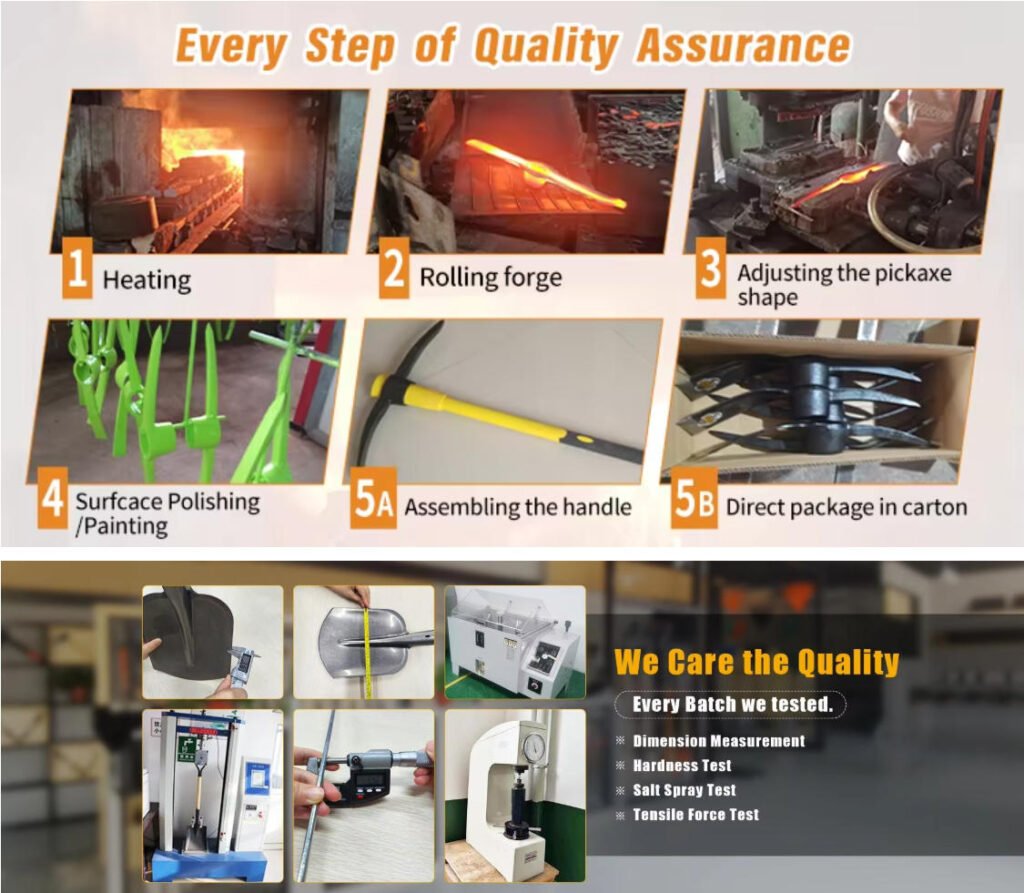
Inspect the joint between blade and handle. A sound blade still disappoints if the handle shifts or fasteners loosen.
Ask the supplier to identify the offered steel grade. Avoid treating “high carbon” as a full material specification.
If the buyer requires hardness, request a test method, test location, and acceptance range. Do not invent a target number without user requirements.
Compare samples while performing the same cutting work. Different fields or operators can make a quick side-by-side test misleading.
Record whether users prefer the hook, find the blade tiring, or request a different grip. Translate comments into measurable revisions.
Check whether users can maintain the edge with their existing tools. A blade that requires a new maintenance routine may face resistance.
Do not promise that one sample proves shipment quality. Agree on how finished production units will be inspected against it.
A trial should answer whether the blade is acceptable for its stated job, not claim one pattern is best for every growing region.
Request a Wholesale Quote:Whatsapp : (+86 13383021196) E-mail : gemlight@ganzhedao.com
Write a Purchase Specification Suppliers Can Quote
Use a local reference tool or signed sample number. Add a dimensioned drawing covering full blade outline, tip, and handle.
State blade length, overall length, width at defined points, thickness, unit weight, and edge location. Include agreed tolerances where needed.
Name the handle material and fastening method. Note any grip texture or fit requirement that affects acceptance.
Specify edge condition, surface finish, protective packing, marking, and quantity per carton. Ask whether a sheath or guard is included.
Keep steel and hardness requirements tied to documents the supplier can provide. If an attribute is unknown, ask for options rather than guessing.
Request that suppliers identify every deviation in their quotations. An “equivalent” model is only useful after the buyer accepts the differences.
For tenders, copy exact mandatory requirements into a compliance sheet. Do not substitute a commercial product description for evidence.
Agree who approves the production sample and what happens if shipment inspection finds a mismatch. Put those procedures in the order.
Avoid Common Buying Mistakes
Do not buy by crop name alone. Sugarcane harvesting involves a specific work method, not an automatic blade profile.
Do not compare a finished ready-to-use knife with an unsharpened blade-only offer as though the prices covered the same scope.
Do not approve a reference photo cropped at the tip. That missing detail might be the feature your crew cares about most.
Do not copy a competitor’s claimed hardness without understanding its test conditions. Ask for evidence relevant to your own specification.
Do not ignore packaging. Exposed edges, bent hooks, or poorly protected handles can create problems before tools reach the farm.
The practical sequence is clear: document the local task, compare finished samples, test with workers, then freeze the specification.
Send your current cane knife or drawing with the intended cutting method when requesting a quote. We can discuss a matching sample first.
Request a Wholesale Quote:Whatsapp : (+86 13383021196) E-mail : gemlight@ganzhedao.com