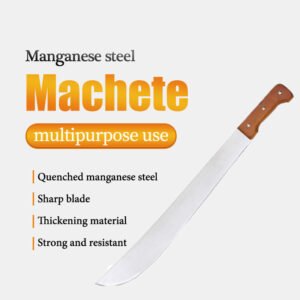
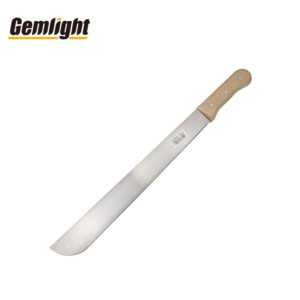
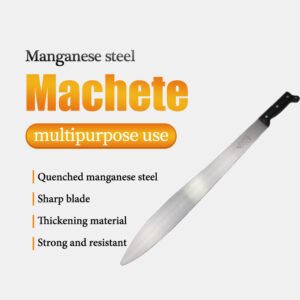
Parang Knife: Complete B2B Guide for Field Clearing, Farming & Industrial Use
When U look at tropical-field tools, one name always stands out — the parang knife. This is one of the most relied-on blades in regions like Africa, Southeast Asia, and South America. U need dependable cutting strength for bush clearing, crop harvesting, or agro-industrial operations, and the parang knife delivers exactly that.
Because many distributors, farm suppliers, and outdoor brands keep upgrading their tool lines, understanding this tool’s structure, advantages, and sourcing checklist will raise your purchasing confidence — and help U serve clients faster, with far fewer complaints.
What Makes the Parang Knife Unique
U probably handle various machete categories every day — Panga Machetes, Barong Machetes, Bolo, Tapanga, and so on. But the parang knife stands out because of its:
-
Long, forward-weighted blade
-
Thicker spine than typical Latin machetes
-
Excellent chopping power with fewer swings
-
Smooth control even in dense vegetation
Compared with a Latin-Style Machete, a parang knife feels more powerful in the first chop. The blade weight does a big part of the work for U, letting your buyer or worker cut longer with less fatigue.
Typical Structure of a Parang Knife
Blade Material
Most high-quality parang knives use:
-
High-carbon steel
-
Railway steel
-
Carbon-manganese alloys
These materials offer a balance of toughness and edge retention — crucial for daily agricultural use.
Blade Length
Normally 30–45 cm (12–18 inches).
Long enough for reach, short enough for control.
Blade Thickness
Around 3–6 mm, thicker than many machetes.
This thickness gives stability and reduces bending in heavy chopping.
Handle Options
-
Hardwood (classic, anti-slip)
-
Plastic (moisture-resistant, economical)
-
Rubberized (comfort for prolonged cutting)
Edge Profile
Parang knives usually feature:
-
Convex edge for durability
-
Narrow point for piercing bush layers
-
Graduated belly for slicing strokes
This multi-purpose geometry allows more flexible use in farming, construction sites, and forestry.
Core Applications of the Parang Knife
A parang knife is not a decorative item — it is made to work. U will see your customers using it for multiple tasks:
1. Bush & Field Clearing
Brush, thorns, small branches — one swing solves a lot.
Workers in plantations value it for clearing walking paths and planting rows.
2. Harvesting Work
Ideal for:
-
Sugarcane
-
Corn stalks
-
Cassava
-
Palm fruit branches
-
Vegetables requiring stalk cutting
3. Agro-Forestry Operations
U will see it in:
-
Bamboo trimming
-
Fruit orchard pruning
-
Boundary clearing
4. Construction & Site Preparation
Workers often use parang knives for quick clearing around building sites or temporary camps.
5. Daily Farm Routine
Because the parang knife is balanced and durable, farmers use it for:
-
Cutting ropes
-
Preparing fencing stakes
-
Processing animal feed
-
Chopping small timber
Why Distributors Choose Parang Knives Over Other Blades
Stronger chopping power
The blade’s forward mass improves cutting energy with less user strength.
Higher durability
Thicker spines resist bending even when hitting hidden stones or hardwood.
Versatility across climates
From jungle humidity to dry savannah heat — it performs consistently.
Fewer returns and complaints
High-carbon steel + proper heat treatment reduces breakage risk.
Heat Treatment: The Key to a Reliable Parang Knife
Your clients judge U by quality, especially in markets like Africa or South America where tools are heavily used.
So U want blades that pass:
-
Quenching for hardness
-
Tempering for flexibility
-
Straightening for blade stability
-
Polishing for corrosion resistance
Once hardness and flexibility are balanced, the parang knife performs longer in harsh jobs without chipping.
Handle Construction That Makes a Real Difference
Wooden Handle
-
Comfortable grip
-
Better slip resistance
-
Traditional aesthetics
Plastic Handle
-
Lightweight and economical
-
Stable in humid environments
-
Easy to replace
PVC or Rubber
-
Higher comfort
-
Shock absorption
-
Suitable for long working hours
Industrial Finishing Options
1. Polished Blade
-
Smooth cutting surface
-
Minimal sap adhesion
2. Painted or Anti-Rust Coating
-
Protects against corrosion
-
Extends product shelf life
-
Ideal for export packaging
3. Blue Steel Finish
-
High hardness on the surface
-
Beautiful deep-blue appearance
-
Popular in African markets
Parang Knife vs Panga Machete vs Bolo Machete
| Feature | Parang Knife | Panga Machete | Bolo Machete |
|---|---|---|---|
| Blade Thickness | Thick | Medium | Medium |
| Chopping Power | High | Medium-High | Medium |
| Precision Cuts | Medium | Medium | High |
| Ideal Use | Bush clearing & forestry | Grass & light wood | Harvest & field work |
U can see why many distributors stock all three — each type serves a different farming scenario.
Common Blade Sizes & Their Use Cases
12–14 inch
-
Lightweight jobs
-
Garden and orchard work
16–18 inch
-
Most popular among African and South American farmers
-
Balanced between control and power
20+ inch
-
Heavy clearing
-
Plantation work
-
Forestry use
Buying Tips for B2B Customers
U want parang knives that your customers will request again and again.
So keep these points in mind:
1. Choose High-Carbon Steel
It guarantees hardness, edge retention, and long lifespan.
2. Confirm Heat Treatment Quality
Poor quenching leads to brittle blades and breakage.
3. Verify Handle Strength
Weak handles are the top cause of field failure.
4. Ask for Weight Balance
The parang must feel forward-heavy but controlled.
5. Check Packaging for Export
-
12/24 pcs per carton
-
Anti-rust oil
-
Plastic or paper sleeve
6. Request Custom Branding
OEM logo stamping and custom colors increase market value.
Packaging Standards for Export Markets
Options
-
Bulk carton packing
-
Individual sleeves
-
Blister packaging
-
Branded boxes for premium lines
Requirements
-
Anti-rust protection
-
Edge cover or sheath
-
Handle protection cap
Good packaging reduces stock damage and protects U from unnecessary complaints.
Maintenance Tips for End Users
Your customers will appreciate simple guidance like:
-
Keep blade dry after use
-
Apply oil before storage
-
Sharpen at 20°–25° angle
-
Avoid hitting stones or metal
-
Store in sheath or dry shelf
Better maintenance = longer tool life = more trust in your supply.
Why Parang Knives Sell Well in Your Main Markets
Africa
-
Daily bush clearing
-
Sugarcane cutting
-
Agriculture-focused labor force
South America
-
Plantation operations
-
Forestry work
-
Camp and farm use
Southeast Asia
-
Orchard maintenance
-
Light construction
-
Outdoor fieldwork
The parang’s strength makes it indispensable across these regions.
How U Can Position Parang Knives in Your B2B Catalog
U can promote it as:
-
A rugged field-clearing tool
-
A high-power alternative to Latin machetes
-
A must-have companion for agro-industrial workers
-
A dependable blade for heavy vegetation
This positioning increases perceived value and attracts professional buyers.
Conclusion
A parang knife is more than a cutting tool — it’s a field partner farmers trust. Because of its durability, chopping power, and ergonomic design, U can offer customers a tool that boosts efficiency and reduces fatigue. Whether U serve agricultural distributors, hardware wholesalers, forestry contractors, or general-purpose tool brands, the parang knife elevates your catalog and strengthens repeat orders.
View products