Name Some Agricultural Implements: Comprehensive B2B Guide 2025
For U running farms, agro-supply businesses, or distributing agricultural equipment, knowing how to name some agricultural implements is critical for efficiency, productivity, and profitability. This guide covers the most important implements, their uses, specifications, and procurement tips for B2B buyers targeting Africa, South America, and Asia.
Identifying the right tools ensures U meet the operational needs of modern farms and provide clients with high-quality, reliable equipment.
Why Knowing Agricultural Implements Matters
Learning to name some agricultural implements helps U:
-
Identify the tools required for soil preparation, planting, harvesting, and irrigation
-
Streamline farm operations for maximum efficiency
-
Make informed procurement decisions for B2B distribution
-
Reduce downtime and improve client satisfaction
Without a clear understanding of agricultural implements, U risk inefficiency, operational delays, and dissatisfied clients.
Hand Tools Every Farm Needs
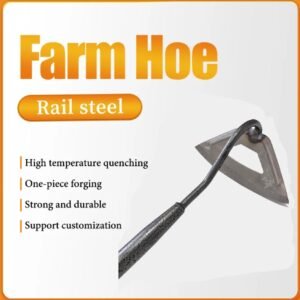
Hoes
-
Loosen soil, remove weeds, and shape beds
-
Variants: flat, pointed, or bicolor steel
-
Durable wooden or plastic handles for prolonged use
Shovels and Spades
-
Digging, transplanting, and moving soil
-
Made of high-carbon or railway steel
-
Ergonomic handles increase efficiency
Rakes
-
Level soil, remove debris, and spread compost
-
Adjustable width for different field sizes
-
Steel or plastic tines for durability
Sickles
-
Manual harvesting of grains, rice, and sugarcane
-
Curved or straight blades
-
Lightweight for prolonged labor
Cutting and Clearing Implements
Machetes
-
For clearing bushes, sugarcane, and light forestry
-
Types include Latin-style, Bolo, Kukri, and Parang
-
High-carbon steel blades ensure durability
Pruning Shears
-
Trimming fruit trees and shrubs
-
Ergonomic handles reduce fatigue
-
Sharp blades improve cutting efficiency
Brush Cutters
-
Mechanized clearing for medium to large farms
-
Gas or electric-powered models
-
Reduces manual labor significantly
Soil Preparation Implements
Plows
-
Types: moldboard, disc, chisel
-
Prepare soil for planting and aeration
-
Adjustable for various soil types
Harrows
-
Break clods, level soil, and improve aeration
-
Spike-tooth, disc, or spring-tooth variants
-
Suitable for large-scale field preparation
Rotavators / Tillers
-
Mechanized soil preparation for large plots
-
Uniform soil beds
-
Reduces manual labor and increases efficiency
Planting Implements
Seed Drills
-
Place seeds at uniform depth and spacing
-
Reduce seed wastage
-
Manual or tractor-mounted versions available
Planters
-
Ideal for row crops like maize, soybean, and wheat
-
Adjustable seed spacing and depth
-
Enhance large-scale planting efficiency
Hand Seeders
-
Portable, suitable for small plots or nurseries
-
Easy to operate
-
Lightweight and ergonomic
Irrigation Implements
Watering Cans
-
Manual irrigation for small plots
-
Ergonomic handles and multiple capacities
Sprinklers and Drip Systems
-
Uniform water distribution
-
Reduce water wastage
-
Suitable for vegetables, fruits, and high-value crops
Pumps
-
Surface or submersible pumps
-
Diesel, electric, or solar-powered
-
Ensure consistent water supply for large farms
Harvesting Implements
Sickles and Scythes
-
Cutting grains, fodder, or sugarcane
-
Curved or straight blades for precision and efficiency
Harvesting Knives
-
Durable steel for cane or fodder
-
Handheld or semi-mechanized
Mechanical Harvesters
-
Tractor-mounted or standalone
-
Efficient for cereals, maize, and sugarcane
-
Reduce labor and increase productivity
Post-Harvest Implements
Threshers
-
Separate grains from stalks efficiently
-
Manual or mechanized options
Winnowing Tools
-
Remove chaff from grains
-
Manual baskets or electric blowers
Storage Tools
-
Bins, silos, and bags
-
Protect produce from moisture and pests
-
Facilitate distribution to clients
Livestock and Animal Husbandry Implements
-
Feeding troughs and waterers
-
Milking stools and hand milking machines
-
Fencing tools for pasture management
-
Grooming and cleaning implements
These tools improve livestock health, productivity, and overall farm efficiency.
Mechanized Implements
Tractors
-
Core for plowing, seeding, and transport
-
Horsepower varies by farm size
-
Reduces manual labor and increases productivity
Combine Harvesters
-
Integrates cutting, threshing, and cleaning
-
Efficient for grains and cereals
-
Reduces labor costs significantly
Sprayers
-
Manual, motorized, or tractor-mounted
-
Ensure uniform pesticide/fertilizer application
-
Boost crop protection and yield
Procurement Tips for B2B Buyers
-
Align tools with crop type and farm size
-
Select durable materials such as high-carbon steel or reinforced plastics
-
Prioritize ergonomic design for labor efficiency
-
Ensure spare parts availability for mechanized equipment
-
Source from certified suppliers to guarantee quality
-
Offer bulk discounts or bundles for distributors
Following these procurement tips ensures U maintain reliability and client satisfaction.
Maintenance and Storage Guidelines
-
Clean tools after each use
-
Store hand tools in dry, ventilated areas
-
Maintain mechanized implements according to manufacturer recommendations
-
Lubricate moving parts regularly
-
Proper maintenance extends lifespan and reduces replacement costs
Applications of Agricultural Implements
-
Soil Preparation: Hoes, plows, harrows, rakes
-
Planting: Seed drills, planters, hand seeders
-
Harvesting: Sickles, machetes, pruning shears
-
Irrigation: Watering cans, sprinklers, pumps
By using these implements systematically, U increase yield, efficiency, and farm profitability.
Conclusion
Knowing how to name some agricultural implements equips U to provide farms and distributors with the right tools for success. From hand tools to mechanized equipment, each implement enhances productivity, reduces labor costs, and strengthens B2B relationships. Supplying these tools ensures long-term client satisfaction, repeat orders, and a reputation for reliability in the agricultural sector.
View products