Quick Answer
Measure a finished bolo-style sample from marked blade and overall-length endpoints, then record widths at several stations, the front swell, thickness, tip outline and sharpened edge. Include handle dimensions and assembled weight, with a coded drawing and retained sample. Those measurements preserve the design chosen in a local trial; they do not by themselves prove suitability for every harvest.
Key Takeaways
- Nominal bolo length does not identify the profile of its front swell.
- Maximum width without its location cannot reproduce the full outline.
- A blade-only measurement does not verify the assembled handle or working feel.

Where Should Buyers Start Measuring?
Code a clean, finished production-intent sample. Photograph both sides flat beside a ruler; an angled photo can distort the forward swell.
Mark the blade-to-handle transition and tip; agree whether blade length is straight-line or follows another reference. Measure overall length to the handle end separately.
Mark the cutting edge’s start and finish rather than equating advertised size with sharpened length. Record units, measuring tools and drawing revision.
If the reference is heavily sharpened or worn, note that condition before asking a factory to reproduce it.
Request a Wholesale Quote:Whatsapp : (+86 13383021196) E-mail : gemlight@ganzhedao.com
How Do You Capture a Bolo’s Front-Weighted Shape?
Measure width near the handle, at mid-blade and near the expanded front. Note the maximum width and its location along the blade.
Trace the spine, tip and broad section on a dimensioned silhouette. Measure thickness at agreed points, including any taper. An isolated width cannot control the curve.
Record edge condition around the front swell, any unsharpened region and whether final sharpening is included in the quote. Weigh the finished knife with its actual handle attached.
| Item | Record on accepted sample | Buyer action |
|---|---|---|
| Lengths and edge | Blade/overall endpoints; sharpened start and finish | Mark the method on the controlled drawing. |
| Front outline | Width stations, widest location, spine and tip curve | Retain a dimensioned silhouette or template. |
| Thickness and weight | Stock locations, taper and finished weight with handle | Agree tolerances and inspect assembled units. |
| Grip and production | Handle dimensions, attachment and sample revision | Reapprove changes before bulk release. |
What Must Be Checked Beyond Blade Geometry?
Measure grip length and relevant handle widths. Record material, finish and attachment separately; a loose joint should not become the approved bulk reference.
Ask intended users to compare the coded bolo with their usual blade on the actual harvest. Keep edge preparation similar to avoid a misleading quick trial.
Observe control near plants and repeated-use comfort. If the trial changes the preferred profile, approve a new sample revision rather than silently altering the drawing.
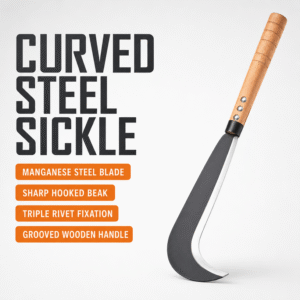
Bolo-style machete product listings show different finished models; a category name does not establish one measurement set for a buyer’s sample.
Request a Wholesale Quote:Whatsapp : (+86 13383021196) E-mail : gemlight@ganzhedao.com
How Do Sample Measurements Become Inspection Criteria?
Put the approved drawing, finished sample code, unit convention and inspection method into the purchase order. Give materially different front profiles separate SKUs.
RFQ checklist:
- Sample code and drawing revision: connect every measured value to the correct approved tool.
- Blade, overall and edge endpoints: keep nominal size from masking grip or sharpened-length changes.
- Front widths and silhouette: define the belly position and tip rather than only the widest number.
- Thickness, material and finished weight: expose differences in stock and assembled handling.
- Handle, edge and packing condition: ensure the quotation covers the field-tested finished configuration.
- Tolerances, unit sampling and change approval: detect process drift before the full lot ships.
Request a measured production-intent sample for the stated harvesting task before approving the bulk quote.
Inspect several finished units, not just the best prototype. Tender-mandated dimensions still take precedence over informal field preference.

Buyer FAQ
Can one width number describe a bolo’s front swell?
No. Record the widest location and additional stations on a controlled outline.
Should the blade or assembled tool be weighed?
Record the assembled tool when comparing handling; note its actual handle design.
Is a favorable field trial enough for bulk approval?
No. Define the accepted measurements, tolerances, finished edge and sample revision for inspection.
Must a changed handle trigger review?
Yes when it changes the accepted configuration; compare a new finished production-intent sample.
Request a Wholesale Quote:Whatsapp : (+86 13383021196) E-mail : gemlight@ganzhedao.com