Quick Answer
Specify a farm machete‘s edge finish by marking the sharpened working section on a drawing, agreeing on the bevel, burr removal and delivery condition, and approving a finished sample. State whether the blade arrives field-ready or needs local sharpening. Compare production-intent tools on representative vegetation, then inspect actual cartons against the retained reference; “sharp” alone is not an acceptance criterion.

Key Takeaways
- Blade length and sharpened working-edge length are different measurements.
- A factory primary grind is not necessarily a field-ready finished edge.
- A guard must fit the sharpened profile to protect the edge in storage and transport.
Where Does the Finished Edge Begin and End?
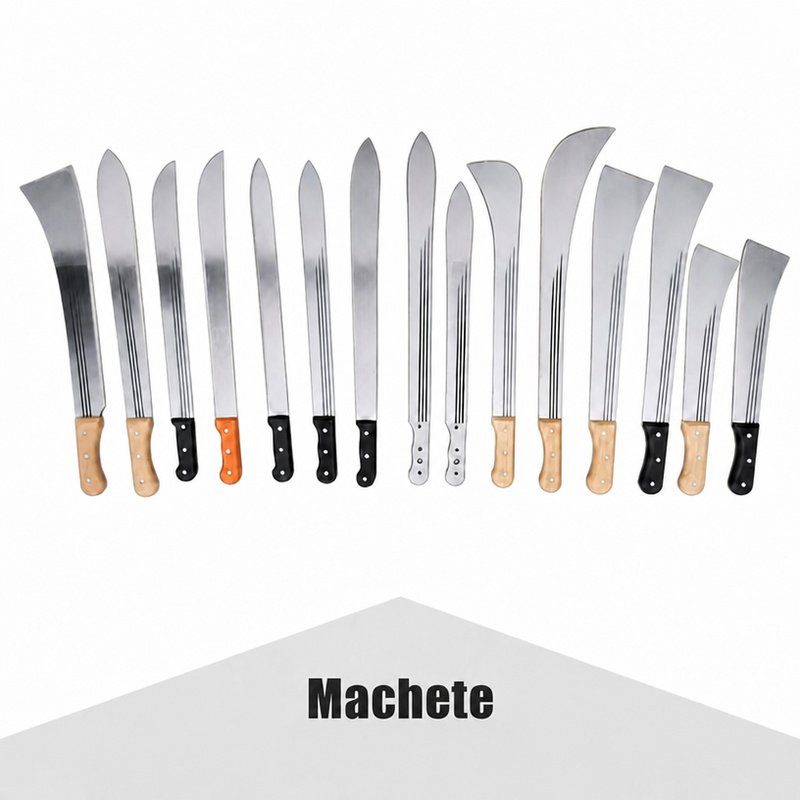
Mark the working section on the profile drawing, including whether the tip, belly or hook interior is sharpened. A gathering hook need not have the same cutting role as the main edge.
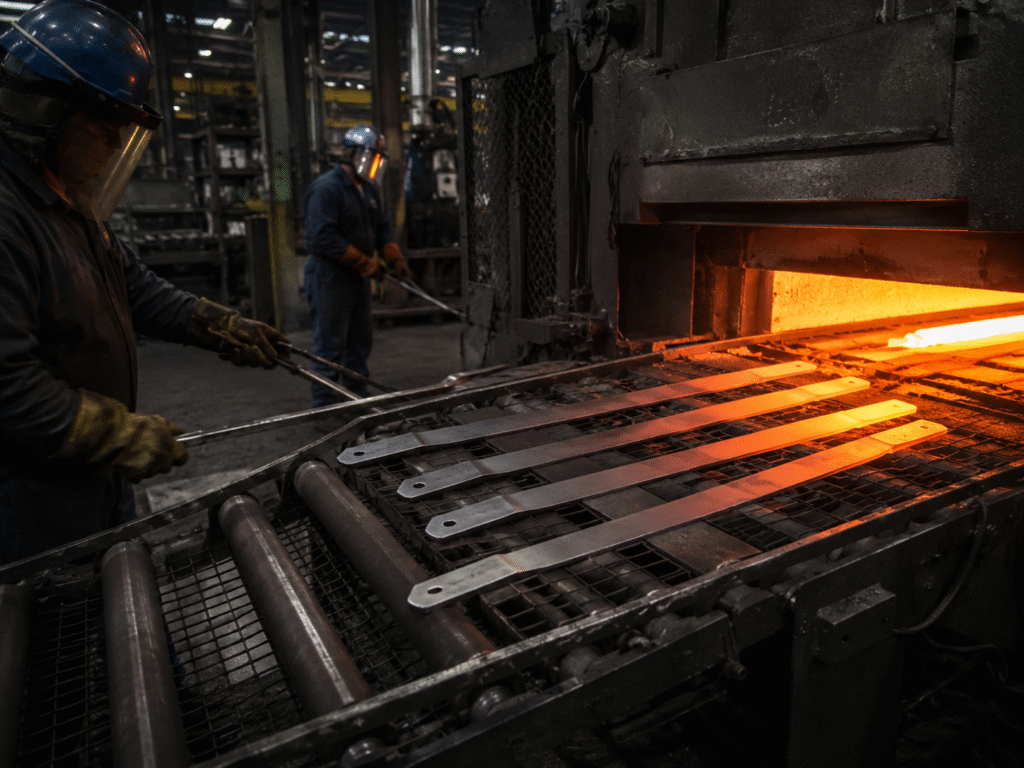
Distinguish a primary factory grind from a completed working bevel. State whether one or both sides are finished according to an approved local reference.
If angle matters, agree on measurement method and point. Where useful, document near-edge cross-section rather than judging appearance alone.
Request a Wholesale Quote:Whatsapp : (+86 13383021196) E-mail : gemlight@ganzhedao.com
What Must the Delivered Edge Look Like?
Agree on burr removal and visual condition on the finished reference. Avoid relying on “razor sharp” or a mirror polish without a reproducible need.
Specify whether protective oil or paint reaches the bevel. Check the guard, sheath and packaging fit the sharpened profile and protect handlers.
State whether buyers will finish the tool locally. If so, list the remaining operation and price it separately from a field-ready option.
| Feature | Needs verification | Buyer action |
|---|---|---|
| Working section | Start, end, belly, tip or hook | Mark on a scale drawing. |
| Bevel and burrs | Side, cross-section and finishing quality | Approve a production-intent reference. |
| Shipment condition | Field-ready or local sharpening | Quote as separate conditions. |
| Protection | Guard fit, finish and carton handling | Inspect packed units, not display tools. |
How Can Buyers Compare Finished Samples?
Test production-intent blades on representative vegetation. Keep model, steel, handle and profile differences in trial notes so cutting feedback is not falsely attributed to sharpening alone.
Ask whether workers can use and resharpen the delivered edge locally. A paper-cutting demonstration is not a substitute for farm tasks.
Inspect burrs using safe visual methods, not fingers along an exposed edge. Record chips and any contact with stones or wire separately.
A brief trial informs the accepted finish but cannot guarantee edge life across every operator or crop.
Request a Wholesale Quote:Whatsapp : (+86 13383021196) E-mail : gemlight@ganzhedao.com
How Can the Edge Finish Be Repeated in Bulk?
RFQ checklist:
- Drawn sharpened section: prevent confusion between blade and working-edge length.
- Bevel and final finish: make primary grind versus field-ready condition explicit.
- Burr and visible-damage criteria: support consistent inspection without unsafe hand tests.
- Protective coating and guard: limit storage and carton damage.
- Approved sample and model code: keep quote, order and inspection tied to one edge.
- Carton sampling and deviation rule: find finishing changes before accepting shipment.
Send an untouched accepted reference with the drawing when requesting comparable quotations.
Buyer FAQ
Does “factory ground” mean ready to cut?
Not necessarily. Define the delivered working condition and remaining steps.
Should buyers request a universal bevel angle?
No. Base any critical measurement on the task, local sample and an agreed method.
Does a shiny edge prove good finish?
No. Verify burrs, geometry, working section and field suitability.
Blade-style context: Machete type guide.
Request a Wholesale Quote:Whatsapp : (+86 13383021196) E-mail : gemlight@ganzhedao.com