Which Terms Should a Supplier Use for Machetes in a B2B Catalog?
A supplier calls every farm blade a machete. Buyers ask for pangas, cutlasses, cane knives, and bolos. How should the catalog speak to both groups?
Use “machete” as a broad family term where it fits. Add a pattern or use-case term only when the actual product supports it.
The goal is not to include every possible keyword. It is to help a buyer recognize the right tool and request the correct sample.

Start With a Catalog Structure Buyers Can Navigate
Put agricultural cutting blades in a clear parent category. Then group distinct patterns or jobs under that category without treating every name as interchangeable.
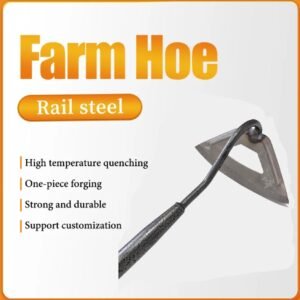
For example, a cane-harvesting tool can sit under agricultural machetes while retaining “cane knife” as its specific product name.
Keep categories based on visible differences or intended work. A new label alone does not justify creating another physical product family.
Ask sales teams which terms buyers actually use in each destination market. Record the context rather than assuming one regional word means one shape.
Choose one primary product name per model. Put relevant alternatives in a short explanatory line, not in a long, repetitive headline.
A buyer searching for a cutlass should reach the right farm-blade page. That page must still show the shape being offered.
Do not automatically place a bolo in a panga category because both can have broad forward sections. Distinct sample profiles need distinct descriptions.
If a market uses “machete” for many patterns, state the precise sub-pattern on each product page. Broad discoverability should not create order ambiguity.
Keep filters practical: blade length, shape, handle, crop or clearing task, and finished weight where useful. These help narrow a real purchase.
Request a Wholesale Quote:Whatsapp : (+86 13383021196) E-mail : gemlight@ganzhedao.com
Write Titles That Identify the Physical Tool
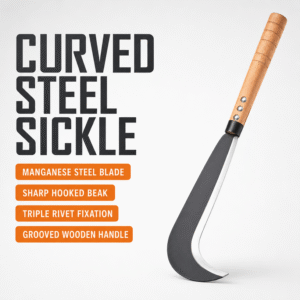
A useful title combines a recognizable pattern and a defining feature. “Bolo-style agricultural machete with wooden handle” says more than “best machete.”
Use “panga” only if the pictured and quoted model matches the buyer’s intended panga pattern. The name is not a substitute for profile details.
Use “cane knife” for a tool actually intended and specified for cane work. Avoid applying the label to every wide blade.
Where “cutlass” is the customer’s ordinary name, explain that the listed farm cutlass is a particular machete-type cutting tool.
Avoid treating a historical sword-related search term as a reason to write misleading farm-tool copy. The page should plainly show its agricultural use.
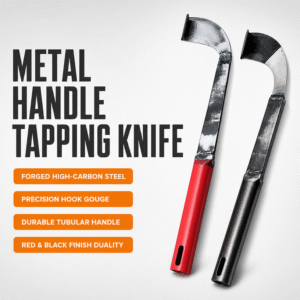
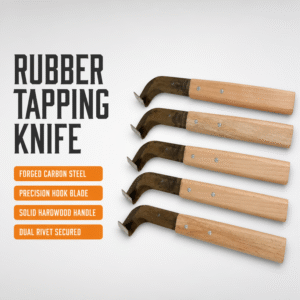
Describe the tip, blade outline, and handle in simple language. A buyer should not have to infer these from an artistic photograph.
Name blade length and overall length separately. “18-inch machete” is unclear unless the catalog states what the measurement covers.
If variants have different widths, handles, or edge finishes, give each a separate SKU. A shared page can still present those choices clearly.
Do not promise a steel grade or hardness without matching production records and a defined inspection method. Unsupported numbers weaken a serious catalog.
Separate Search Terms From Order Specifications
Search terms help buyers find a page. An order specification tells a factory which product to manufacture and a buyer what to inspect.
The page can mention regional terms naturally where helpful. The quote should refer to one stable model code and an approved drawing or sample.
Record blade profile, dimensions, material declaration, handle construction, edge condition, finish, and protective packing for each orderable model.
Show front and side views of the actual product. Include a size reference and detail photographs of the handle and tip.
If two terms describe the same physical SKU in a particular market, explain the relationship. Do not imply every product bearing either name is identical.
A product page should say what it does not cover when confusion is likely. A general clearing machete is not automatically a cane-harvesting knife.
Use the buyer’s crop or clearing task to frame benefits. Avoid sweeping claims that one pattern is ideal for every farm job.
If a field test has not been conducted, invite sample evaluation instead of claiming verified productivity or durability improvements.
Request a Wholesale Quote:Whatsapp : (+86 13383021196) E-mail : gemlight@ganzhedao.com
Machetes in a B2B Keep One Model Consistent Across Languages and Channels
Check that the website, downloadable catalog, sample tag, quote, carton, and order use the same model code. Sales names can differ by market.
Maintain a small internal term map: market-facing name, alternative term, product code, and approved profile. Sales staff can consult it when answering inquiries.
Translate the function rather than substituting a regional name blindly. Confirm uncertain local terminology with the distributor before publication.
If a handle or profile changes, assign a revision or new SKU. Otherwise an old photograph might send a buyer to a new physical product.
Review distributor feedback and returned inquiries. If visitors repeatedly request a different shape, correct the page description or imagery.
Avoid publishing several nearly identical pages that simply swap “panga,” “cutlass,” and “machete” in the title. Distinct pages need distinct user questions.
Internal links can guide a reader from a naming explanation to the correct pattern page. They should not replace complete product specifications.
Periodically audit old PDF catalogs and image captions. A changed website title does not fix a conflicting quotation attachment.
What Should the Buyer See Before Sending an Inquiry?
Each model page should show its primary name, alternative regional term where appropriate, physical profile, main farm use, and orderable options.
It should also show a stable model code and enough measured details to compare with the buyer’s existing tool.
Invite the buyer to share a reference photo or sample, target market, intended work, and desired quantities. That makes a quotation more precise.
If an alternative pattern might suit the job, offer it as a clearly labeled second option. Never silently replace the requested model.
A clear catalog makes terminology useful without asking a buyer to trust terminology alone. The product, its code, and its specification must agree.
Request a Wholesale Quote:Whatsapp : (+86 13383021196) E-mail : gemlight@ganzhedao.com