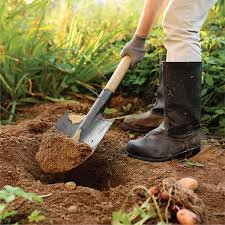
A wood handle digging shovel is a time-tested professional tool that continues to play a critical role in agriculture, landscaping, and infrastructure projects worldwide. For your business, this product represents stability, familiarity, and consistent demand across multiple markets. When you source a well-engineered wood handle digging shovel, you are not just adding another SKU—you are reinforcing your portfolio with a tool that balances durability, user comfort, and cost efficiency, all of which matter deeply to bulk buyers and long-term distributors.
A wood handle digging shovel is widely used in agricultural operations such as soil turning, planting preparation, fertilizer trenching, and irrigation maintenance. Because farming activities require repeated ground engagement, this tool remains essential throughout the year rather than being limited to a single season.
Moreover, landscaping professionals rely on wood handle digging shovels for ground leveling, edging, and transplanting tasks. Infrastructure and municipal crews also use them for light excavation, backfilling, and maintenance work. As a result, demand spans across sectors, giving your business predictable sales volume and reduced inventory risk.
Why professional users still prefer wood handles
Despite the availability of alternative materials, many professional users continue to prefer wood handles. Wood naturally absorbs shock, reducing vibration transmitted to the hands and arms during digging. Therefore, operators can work longer hours with less fatigue.
Additionally, wood provides a familiar grip texture that performs well in both dry and humid conditions. In many agricultural regions, this familiarity increases acceptance and accelerates purchasing decisions. When your product matches user habits, resistance to adoption is significantly lower.
Blade material and performance expectations
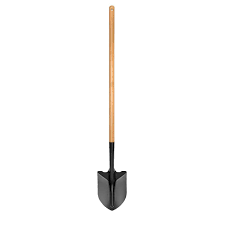
The blade is the working core of a wood handle digging shovel. High-carbon steel is commonly selected because it delivers strong penetration, excellent wear resistance, and long service life. After proper heat treatment, the blade achieves a balance between hardness and flexibility, preventing cracking under repeated impact.
Furthermore, controlled blade thickness ensures resistance to bending while maintaining efficient soil entry. For bulk buyers, this performance consistency is essential to protecting brand credibility and minimizing post-sale disputes.
Surface treatment and corrosion protection
Professional digging tools often operate in wet soil, fertilizer residue, and outdoor storage environments. Therefore, surface treatment directly affects longevity. Polished blades reduce soil adhesion, allowing faster digging and easier cleaning.
Additionally, protective coatings such as painted or anti-rust finishes slow corrosion during storage and transportation. For wholesalers and distributors, uniform surface quality also enhances visual consistency across shipments, reinforcing professional positioning.
Handle material selection and processing
The quality of a wood handle digging shovel depends heavily on handle material selection. Hardwood handles are commonly chosen for their strength, elasticity, and resistance to splitting. Proper drying and treatment prevent warping and cracking over time.
Moreover, consistent handle diameter and length ensure predictable leverage and balance. When handle quality is stable, breakage rates decline, leading to fewer replacements and higher buyer satisfaction.
Ergonomic balance and working efficiency
A well-designed wood handle digging shovel balances blade weight and handle length to improve control. Proper balance reduces energy loss during digging and allows more precise soil placement.
As a result, professional users experience smoother operation and higher productivity. From your perspective, this translates into stronger repeat purchasing behavior and longer customer retention.
Blade-to-handle connection reliability
One of the most critical structural points in a wood handle digging shovel is the blade-to-handle joint. Secure sockets, tight fitting, and reinforced fastening methods prevent loosening during repeated use.
Additionally, reliable joints improve safety and reduce downtime. For your business, this reliability lowers after-sales issues and strengthens trust with distributors and importers who depend on consistent product performance.
Manufacturing processes that ensure consistency
A dependable wood handle digging shovel is produced through controlled manufacturing processes. Blade forging or precision stamping ensures uniform shape and strength. Heat treatment stabilizes the steel structure, while polishing or coating completes surface preparation.
Handle shaping, sanding, and fitting are equally important. Standardized assembly procedures ensure repeatability across large orders, which is critical for B2B procurement planning and quality assurance.
Quality control standards for wholesale markets
In bulk supply chains, quality control protects margins and reputation. Wood handle digging shovels should undergo dimensional inspection, hardness testing, handle pull tests, and surface checks.
Moreover, consistent inspection records reduce disputes and simplify long-term cooperation. When quality performance is proven across multiple shipments, purchasing decisions become faster and more confident.
Packaging solutions for bulk logistics
Packaging plays a key role in protecting wood handle digging shovels during transit. Bundled packing or reinforced cartons prevent handle damage and blade abrasion.
Additionally, optimized stacking maximizes container utilization, reducing freight cost per unit. Clear labeling supports warehouse handling and downstream distribution, improving overall operational efficiency.
Bulk purchasing advantages for distributors and importers
From a commercial perspective, a wood handle digging shovel offers predictable turnover and strong market acceptance. Its traditional design ensures broad demand across regions with different usage habits.
Furthermore, bulk purchasing reduces unit cost and stabilizes pricing. When combined with reliable production capacity, this product becomes a dependable contributor to long-term profitability and inventory efficiency.
OEM customization for brand differentiation
OEM cooperation allows you to customize the wood handle digging shovel to match your brand positioning. Options include handle finish, blade coating, markings, and packaging design.
Additionally, private labeling strengthens brand recognition and buyer loyalty. Customization enables differentiation while maintaining manufacturing efficiency and cost control.
ODM development for regional preferences
ODM development allows deeper adaptation for specific markets. Handle length, wood type, blade size, and finish can be adjusted to suit regional working conditions or user preferences.
As a result, you can offer tailored solutions that competitors may not provide, enhancing your strategic value to distributors and large buyers.
Market adaptability across global regions
A wood handle digging shovel performs well in diverse markets. In agricultural economies, durability and familiarity are primary drivers. In landscaping-focused regions, balance and comfort are key considerations.
By maintaining core quality while adjusting specifications, you can serve multiple regions with minimal product variation, supporting scalable expansion.
Cost-performance balance for professional users
Professional buyers evaluate tools based on total cost of ownership. A durable wood handle digging shovel reduces replacement frequency and minimizes downtime.
Therefore, positioning your product as a reliable, cost-effective solution strengthens purchasing confidence and accelerates reorder cycles.
Sustainability through natural materials and durability
Wood handles offer sustainability advantages when sourced responsibly. Combined with long-lasting steel blades, wood handle digging shovels support extended service life and reduced waste.
Additionally, stable manufacturing partnerships ensure consistent supply and responsible production planning, supporting long-term business stability.
After-sales stability and reduced risk
Consistent quality minimizes warranty claims and customer complaints. This stability protects margins and reduces administrative workload.
Moreover, reliable performance strengthens trust across your distribution network, encouraging long-term cooperation and repeat business.
Strategic portfolio value for tool suppliers
Adding a wood handle digging shovel to your professional tool lineup strengthens your offering with a universally accepted product. It complements agricultural, landscaping, and construction tools, enabling cross-selling opportunities.
Furthermore, this tool category integrates smoothly into existing distribution channels, making it a low-risk, high-relevance addition.
Long-term cooperation and scalable supply
Reliable manufacturers support growth through scalable capacity, consistent quality, and transparent communication. As your order volumes increase, production efficiency improves and costs decrease.
This scalability strengthens your competitive position and supports sustainable expansion across global markets.
Final value perspective for B2B buyers
A wood handle digging shovel is more than a traditional hand tool. It is a dependable, widely accepted solution that delivers durability, comfort, and stable returns for importers, wholesalers, distributors, and brand owners. By focusing on material quality, manufacturing consistency, and bulk procurement advantages, you secure a product that meets professional expectations and supports long-term business growth.
View products