Sugar cane machete is not the same as a general cutting knife. For importers who supply tropical farm markets, the right blade must match sugar cane cutting, banana farm work, crop clearing, plantation use and local farmer habits. If you sell farm tools in Africa, Southeast Asia, Latin America or other warm agricultural regions, choosing the right sugar cane machete can help you reduce complaints and build repeat orders.
Why Sugar Cane Machete Is Different from General Machetes
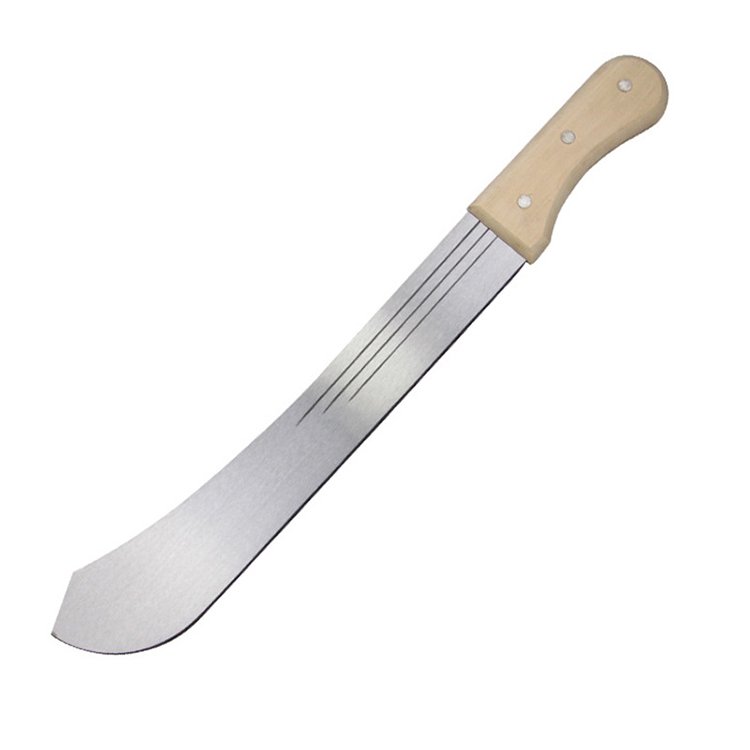
A general machete is often used for many kinds of farm work, such as clearing grass, trimming branches and cutting light bush. A sugar cane machete is more focused on cane cutting and plantation work. It may need a blade shape that helps cut fibrous cane stalks, remove leaves and work for long hours in the field.
For B2B importers, this difference matters. If your customers are sugar cane farmers or plantation workers, they may not be happy with a random machete model. They need a tool that feels familiar and efficient. The blade length, weight balance, cutting edge and handle comfort all affect daily work.
That is why sugar cane machete selection should start from the application, not only from price. A cheaper tool that does not fit the crop can create slow sales and after-sales problems.
How to Choose the Right Blade Shape for Sugar Cane Machete
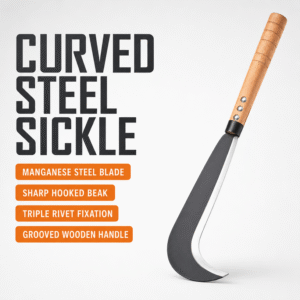
Blade shape is the first detail to check. A sugar cane machete may be long and slightly curved, or it may have a special tip depending on local use. Some markets prefer a hook-like end for pulling cane leaves or handling crop material. Other markets prefer a long straight or semi-curved blade for fast cutting.
Importers should not assume one model fits all countries. A cane knife that sells well in one market may not sell well in another. The best way is to compare local samples, market photos and farmer feedback. If you already sell farm tools, check which old model has the best repeat orders.
For sugar cane machete bulk orders, send the supplier a clear blade photo and target size. If you are not sure, ask the factory to recommend 2-3 similar models for market testing. This is safer than placing one large order for an untested blade style.
Blade Size and Weight for Sugar Cane Machete Orders
Size and weight affect worker comfort. A blade that is too heavy may cut strongly but tire the user faster. A blade that is too light may feel easy to swing, but it may not perform well on thicker cane or hard stems. Importers should choose a balance between working efficiency and long-time use.
| Buying Point | Why It Matters | Importer Suggestion |
|---|---|---|
| Blade length | Affects reach and cutting area | Match local farmer habit and crop type |
| Blade thickness | Affects strength, weight and price | Confirm sample before bulk order |
| Blade weight | Affects cutting power and user fatigue | Choose based on daily field use |
| Cutting edge | Affects work efficiency and sharpening | Check edge finish and local sharpening habit |
For first-time importers, it is better to test one or two main models before building a full container order. After local sales feedback, you can increase the quantity of the faster-moving size.
Handle Choice for Sugar Cane Machete Buyers
Plantation work often means long working hours. The handle must feel secure and comfortable. If the handle is too slippery, too thin or weakly fixed, the user may not trust the tool. For sugar cane machete orders, handle material and fixing method are just as important as blade shape.
Wood Handle
Wood handles look traditional and are familiar in many agricultural markets. Buyers should check wood finish, rivets, surface smoothness and whether the handle is firmly fixed. Good wood handles can be easy to accept in rural markets.
Plastic Handle
Plastic handles can support color options and cleaner product appearance. They are useful for importers who want different colors, product lines or private label designs. The key point is to confirm handle strength and grip design.
Injection-Molded Handle
Injection-molded handles may offer a more uniform look and stable shape. They can be suitable for buyers who want stronger brand identity, but samples should be confirmed carefully before bulk production.
Packing for Sugar Cane Machete Bulk Orders
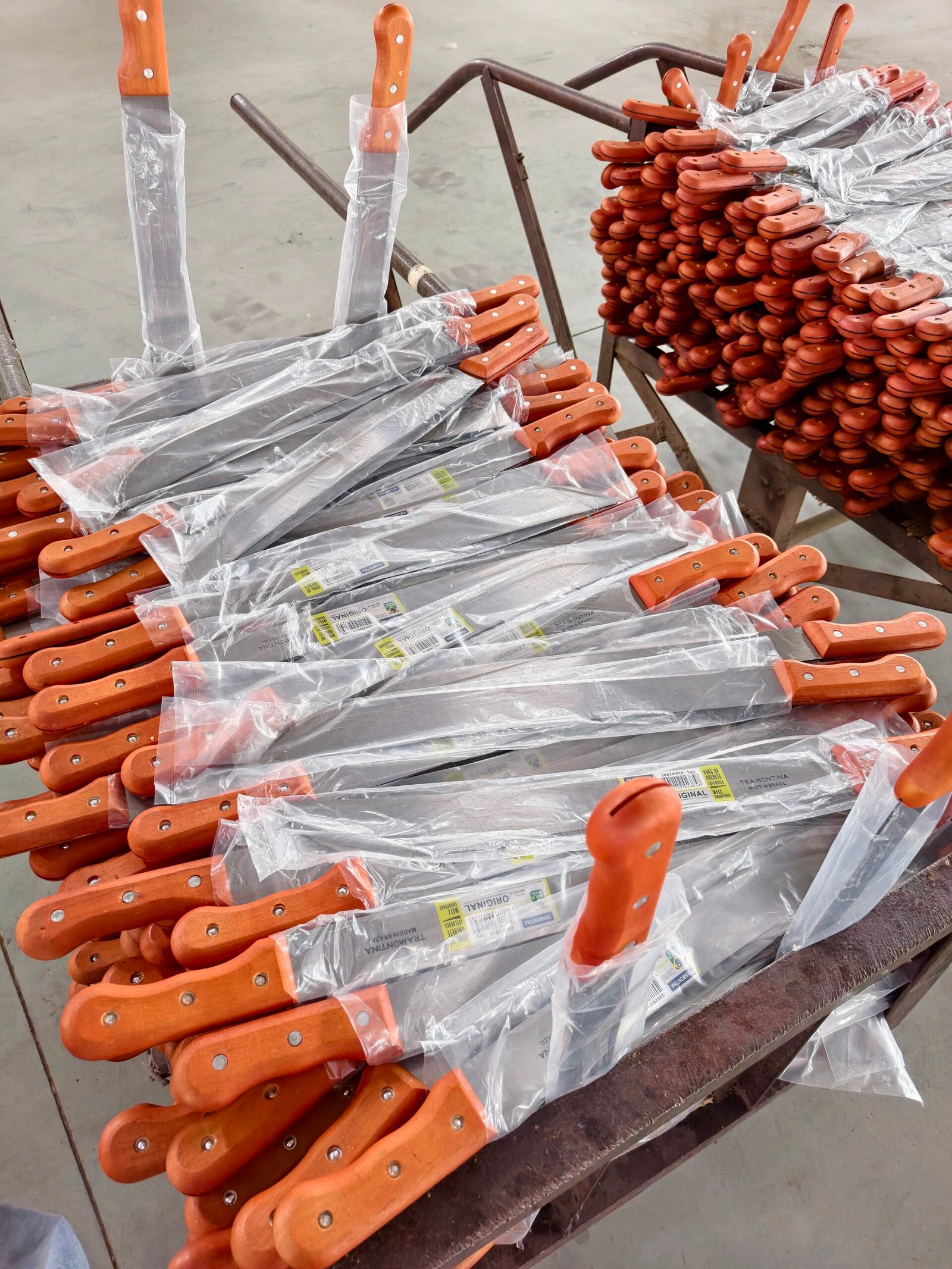
Packing is important for long-distance export. A sugar cane machete may be shipped by sea, stored in a warehouse and moved through local distributors. If the packing is weak, cartons may break and products may get scratched or rusty before sale.
Before placing a bulk order, confirm the packing method. Ask whether each piece has a PVC bag, oil protection, paper wrapping or other protection. Check how many pieces are packed in one carton. Confirm whether the carton can print your brand, shipping mark, item number or destination information.
For wholesale farm tool markets, simple export packing may be enough. For retail channels, you may need label, hang tag, barcode or custom carton. The packing should match your sales channel and budget.
OEM Options for Sugar Cane Machete Importers
Many importers want to build their own farm tool brand. Sugar cane machete OEM options can include blade logo, handle color, label, carton mark, size adjustment and special blade shape. OEM can help customers remember your product and buy the same brand again.
To make OEM work smoothly, send clear information to the factory. Provide your logo file, preferred blade size, handle color, target market, packing style and estimated order quantity. If you have a local sample, send clear pictures with measurements. This helps the supplier check whether an existing model is close or whether custom adjustment is needed.
External Reference for Tropical Farm Buyers
For general agricultural and crop production information, buyers can refer to FAO agriculture resources. However, for sugar cane machete specifications, blade thickness, handle choice, packing and OEM details, importers should confirm directly with the factory before ordering.
Recommended Sugar Cane Machete Pages
- Sugar Cane Machete M213F
- Long Cane Cutting Knife
- Agricultural Machetes Wholesale
- Contact Gemlight for Sugar Cane Machete Quotation
FAQ About Sugar Cane Machete
Can sugar cane machete be used for banana farms?
Yes, in many tropical markets farmers may use a sugar cane machete for banana leaves, crop clearing and other farm work. However, the best blade shape depends on local use and crop type.
What blade size is suitable for sugar cane machete orders?
There is no one-size answer. Importers should choose based on local farmer habit, crop type and working style. It is safer to test common models before placing a large bulk order.
Is a heavy blade always better for cane cutting?
Not always. A heavy blade may cut strongly, but it can make workers tired faster. A good sugar cane machete should balance cutting power, comfort and durability.
Can I customize logo and packing?
Yes, OEM logo, handle color, carton mark and label can usually be discussed. Send your logo file, target market and packing requirements to the factory before quotation.
What should I send when asking for sugar cane machete price?
Send blade shape, size, handle type, quantity, target market, packing requirement and sample pictures if available. This helps the supplier give a more accurate price and model recommendation.
Get Sugar Cane Machete Wholesale Quotation
If you are looking for a reliable sugar cane machete supplier for tropical farm markets, Gemlight can help you discuss blade shape, size, handle material, packing, logo and bulk order options. Send your target country, crop application and reference pictures to get a suitable quotation.