Wholesale Machete for Africa Buying Guide
Wholesale machete for Africa is not only about low price. For importers, wholesalers and hardware distributors, the right machete must match local farm work, buyer habits, blade size, handle type and packing requirements. A good machete should be easy to sell, strong enough for daily use and suitable for the local market. Farmers use machetes every day for cutting grass, clearing bush, harvesting crops, trimming branches and general farm work. So before you place a bulk order, you need to know which product details will affect sales and repeat orders.
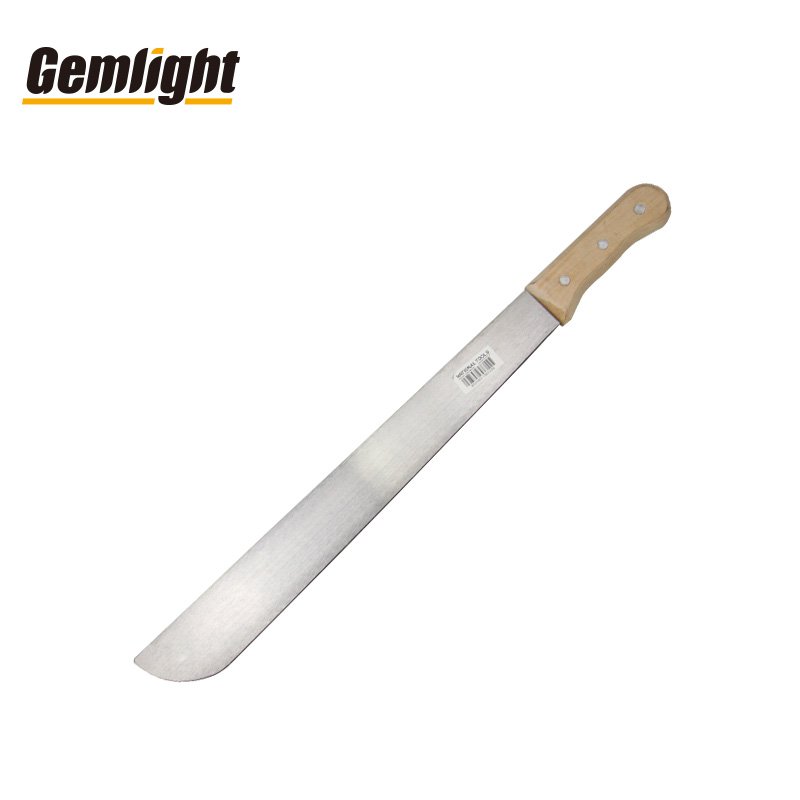
Why Wholesale Machete for Africa Is a Strong Farm Tool Category
In many African countries, a machete is not a special tool. It is a daily working tool. Farmers, plantation workers, rural families, construction workers and market traders all know this product very well. In some markets, people may call it machete, cutlass, panga, cane knife or bush knife. The name may change from one country to another, but the demand is always connected with farming, land clearing and outdoor cutting work.
For importers, this is a good product because it has repeat demand. A farmer may buy more than one machete in a year. A wholesaler may sell different models to different regions. A hardware shop may need both low-cost fast-moving models and stronger models for heavy-duty users. That is why buying wholesale machete for Africa is not only about finding the cheapest supplier. It is about finding the right product mix for your local market.
If you import the wrong blade shape, wrong handle, wrong size or weak packing, the goods may be hard to sell. Customers may complain about broken handles, bent blades, rust, poor sharpening or damaged cartons. But when the product fits local habits, it becomes much easier to sell again and again.
Wholesale Machete for Africa: What Importers Should Check First
Before you ask a China machete factory for price, you should be clear about your market. Are you selling to open markets, hardware shops, farm supply stores, construction tool dealers or plantation buyers? Are your customers looking for daily-use machetes, or stronger machetes for heavy bush clearing?
A successful wholesale machete for Africa order should not only meet factory specifications, but also match the way local farmers actually use and buy farm tools. For B2B buyers, this is very important because the final users care about working performance, not only product photos.
Most importers should check these points before confirming an order:
- Blade shape: straight machete, cutlass, panga, cane knife or other local popular types.
- Blade length: common sizes include 18 inch, 20 inch, 22 inch and 24 inch.
- Steel material: the blade should have enough hardness and toughness for farm use.
- Blade thickness: different markets may prefer light, medium or heavy blades.
- Handle material: wood handle, plastic handle or injection-molded handle.
- Packing: single piece packing, carton packing, label, brand sticker and shipping mark.
- OEM options: logo, color, handle design, blade printing and carton mark.
- Bulk order details: quantity, mixed models, delivery plan and export documents.
When these details are clear, the factory can give a more accurate quotation. If you only ask “How much is machete?”, the supplier may not know which model, size, handle and packing you really need.
How to Choose the Right Blade Size for Wholesale Machete for Africa
Blade size is one of the first things your local customers will notice. A machete that is too short may not be strong enough for bush clearing. A machete that is too long may feel heavy for daily farm work. So the best choice depends on the user habit in your country or region.
For wholesale machete for Africa, blade size is directly connected with selling speed, because many buyers already have a clear habit for the length and weight they prefer. If your local market likes 22 inch machetes, a 20 inch model may not move as fast. If your customers want lighter tools, a very heavy blade may not be the best choice.
| Blade Size | Common Use | Buying Suggestion |
|---|---|---|
| 18 inch | Light farm work, garden work and small grass cutting | Good for retail shops and household farm use |
| 20 inch | General farm cutting, grass clearing and branch trimming | A safe size for many wholesale buyers |
| 22 inch | Farm work, bush clearing, crop harvesting and wider cutting | Good for markets that prefer stronger working tools |
| 24 inch | Heavy bush clearing, sugar cane, banana farm and large-area work | Better for buyers who already know local demand |
For a first order, many importers do not need to put all money into one size. A better way is to test two or three popular sizes. For example, you can choose 20 inch and 22 inch as general farm models, then add 24 inch if your customers like longer blades. This helps you reduce stock risk and learn which model moves faster in your market.
Blade Material and Hardness for Wholesale Machete for Africa
A machete must be hard enough to cut, but not too brittle. If the steel is too soft, the blade may bend easily. If the blade is too hard but not tough enough, it may chip or break during heavy use. For farm markets, balance is very important.
When you talk with a supplier, ask about the steel material, blade thickness, heat treatment and surface finish. A serious factory should be able to explain the basic specifications. For agricultural machetes, buyers usually need a blade that can handle daily cutting, grass clearing and bush work. The blade should have enough toughness for real farm use.
For African wholesale markets, you should also think about rust protection. Many countries have humid weather, long sea shipping time and warehouse storage before selling. So surface treatment, oil protection, packing method and carton quality all matter.
If your goal is long-term wholesale machete for Africa business, stable blade quality is more important than saving a very small cost on each piece. A cheaper blade may cost you more later if customers complain, return the goods or stop buying from your brand.
Which Handle Is Better for African Machete Buyers?
The handle is not a small detail. It affects the feeling in the hand, the selling look and the complaint rate. In African markets, different customers may have different habits, so importers should choose based on local market feedback, not only based on factory recommendation.
Wood Handle Machete
Wood handle machetes look traditional and are easy for many farmers to accept. In some markets, customers like the natural feel of wood. Wood handles can be good for agricultural markets where buyers are used to classic farm tools. But you should check the handle finish, rivets, smoothness and dryness. Poor wood may crack or become loose during use.
Plastic Handle Machete
Plastic handle machetes are popular because they can look clean, colorful and easy to recognize in shops. They may also perform better in wet conditions compared with low-quality wood handles. For importers who want different colors for different sizes or brands, plastic handle can be a good choice. But the plastic must be strong enough, and the fixing must be stable.
Injection-Molded Handle Machete
Injection-molded handles can give a more uniform look. They are useful when importers want stable appearance, brand color and better product consistency. This type is suitable for buyers who want to build their own product line, but you need to confirm sample details before bulk production.
Blade Shape: Machete, Cutlass, Panga or Cane Knife?
One common mistake is to think all machetes are the same. In real markets, blade shape is very important. A Nigerian buyer, a Ghanaian buyer, a Kenyan buyer and a South American buyer may not want the same blade shape.
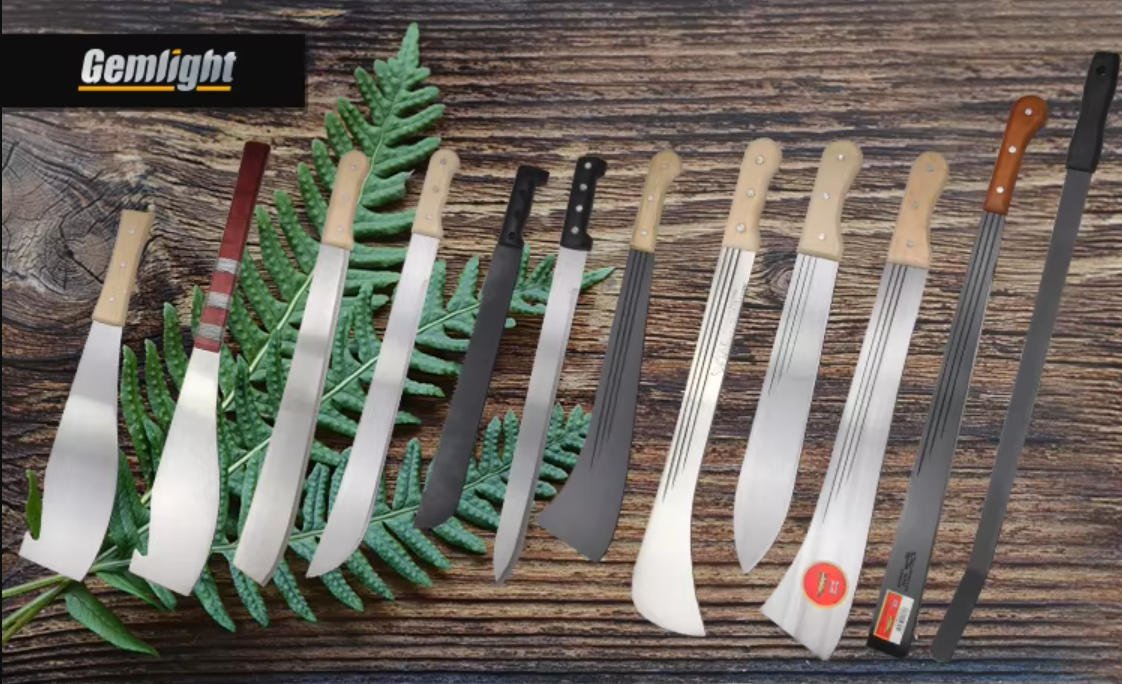
A straight agricultural machete is good for general cutting work. A cutlass shape may be more familiar in some West African markets. A panga style can be useful for heavier cutting and bush work. A sugar cane machete is more suitable for cane harvesting and plantation work. If your customers already use a certain shape, do not change it too quickly only because another model looks better in a catalogue.
The best way is simple: send your supplier a local sample photo, market photo or old model picture. A good factory can help you check whether they have a close model, or whether it needs small adjustment. This saves time and reduces the risk of importing a product that local users do not like.
Packing Matters for Wholesale Machete for Africa
Packing matters a lot for wholesale machete for Africa. For bulk orders, packing is not only about making the product look nice. It protects the machetes during sea shipping, warehouse storage and local transportation. In many African markets, cartons may pass through different hands before they reach wholesalers or retailers. Weak cartons can break, labels can fall off, and goods can become messy before selling.
Before placing an order, confirm these packing details:
- How many pieces are packed in one carton?
- Is each machete packed with PVC bag, oil paper or other protection?
- Can the carton print your brand, shipping mark or item number?
- Can different sizes be mixed in one shipment?
- Is the carton strong enough for export shipping?
- Can the supplier provide packing photos before shipment?
Some importers sell directly to open market wholesalers, so simple export packing may be enough. Other buyers sell to hardware stores, supermarkets or branded distributors, so they may need label, color sticker, barcode or customized carton. The right packing depends on your sales channel.
OEM and ODM Options for Wholesale Machete for Africa
Many importers want their own brand on the machete. This is a good idea if you want long-term business, because a clear brand helps customers remember your product. OEM and ODM customization can include blade printing, handle color, logo, label, carton mark and special model design.
Common custom options include:
- Custom blade length and blade shape.
- Custom handle material, color and design.
- Logo printing on blade, handle or packing.
- Private label and carton shipping mark.
- Mixed models for market testing.
- Special packing for retail display or wholesale distribution.
For wholesale machete for Africa, OEM branding can help importers build repeat customers. When local buyers remember your brand, they are more likely to ask for the same machete again. This is useful for wholesalers, hardware distributors and trading companies that want to build a stable product line.
But custom orders need clear communication. If you want a special handle color, send the color reference. If you want your logo on the blade, send the logo file. If you want the same style as your local sample, send clear pictures and size information. The more details you provide, the easier it is for the factory to make the right product.
How to Send a Clear Machete Inquiry to a China Factory
A clear inquiry saves time for both buyer and supplier. Instead of asking only for the lowest price, send the key details together. This makes you look more professional and helps the factory reply with a real quotation.
You can send an inquiry like this:
Hello, we are looking for wholesale machete for Africa market. Our target market is Ghana, Nigeria or Kenya. We need 20 inch and 22 inch agricultural machetes, wood handle or plastic handle, export carton packing, with our logo if possible. Please send product pictures, specifications, packing details and bulk order price.
You can also add your estimated quantity, destination port, preferred packing and whether you need samples first. If you have a local popular model, attach the photo. This helps the factory recommend the closest machete style.
Common Mistakes to Avoid When Importing Machetes
Many new buyers make similar mistakes. The first mistake is choosing only by the lowest price. The second mistake is ignoring local blade shape preference. The third mistake is not checking packing before shipment. The fourth mistake is placing a big order before confirming sample quality.
For machete business, small details can affect repeat orders. A handle that feels uncomfortable, a blade that bends too easily, a carton that breaks during delivery, or a size that local farmers do not like can all reduce your profit.
For better results, importers should build a simple product list. Put the main fast-moving model first, then add one or two strong or special models for different customer groups. This gives your sales team more options and makes your wholesale business more flexible.
Recommended Machete Products and Related Pages
- Agricultural Machetes Wholesale
- Machete Product Category
- 22, 24 and 30 Inch Machetes
- Contact Gemlight for Wholesale Machete for Africa Quotation
FAQ About Wholesale Machete for Africa
What size machete is popular for African markets?
Many African buyers choose 18 inch, 20 inch, 22 inch and 24 inch machetes. The best size depends on local use. For general farm work, 20 inch and 22 inch are often good options to test. For heavy bush clearing or plantation work, some customers may prefer longer blades.
Is wood handle or plastic handle better for wholesale machetes?
Both can work well. Wood handle is more traditional and familiar in many farm markets. Plastic handle can be colorful, clean and suitable for brand differentiation. Importers should choose based on local buyer habit, price level and sales channel.
Can I put my own brand on the machete?
Yes, OEM branding can usually be discussed. You may customize blade logo, handle color, label, carton mark or packing style. To make the process easier, send your logo file, target market, quantity and reference pictures to the factory.
What information should I send when asking for machete price?
You should send the blade size, blade shape, handle type, packing requirement, target market, order quantity and whether you need OEM service. If you have a local popular sample, send pictures and measurements. This helps the supplier quote faster and more accurately.
Should I order one machete model or several models?
For a first order, it is often better to test several common models instead of buying only one. You can choose two popular sizes and one special model. After checking local sales feedback, you can increase the quantity of the best-selling model.
Is wholesale machete for Africa suitable for OEM business?
Yes. Wholesale machete for Africa is suitable for OEM business if the importer has a clear target market, stable sales channel and brand plan. OEM options can include blade logo, handle color, label, carton mark and customized packing.
Get Wholesale Machete Quotation for Africa
If you are looking for reliable wholesale machete for Africa, Gemlight can help you discuss blade size, handle material, packing, logo and bulk order solutions. You can send your target country, reference pictures, preferred size and expected quantity. Our team will help you match suitable agricultural machetes for your wholesale business.
Send your wholesale machete for Africa inquiry and get a quotation