Introduction: Why Knowing the List of Tools Used in Agriculture Matters to Your Business
When U explore the list of tools used in agriculture, U are not just identifying implements; U are discovering the backbone of efficient farming operations. From smallholder farms to large plantations, every tool—from hoes and shovels to sickles and machetes—affects crop yield, labor efficiency, and overall farm productivity.
Understanding the list of tools used in agriculture empowers distributors, wholesalers, and suppliers to provide the right products, improve client satisfaction, and streamline inventory planning. Proper tool selection reduces downtime, ensures durability, and ultimately increases profit margins for all stakeholders.
1. Classification of Agricultural Tools
Agricultural tools can be classified based on their function:
-
Soil Preparation Tools – for tilling, digging, and leveling soil
-
Planting and Seeding Tools – for accurate sowing and transplanting
-
Weeding and Crop Maintenance Tools – for controlling weeds and maintaining crops
-
Harvesting Tools – for efficient and safe collection of crops
-
Irrigation and Water Management Tools – for distributing water efficiently
-
Livestock and General Farm Tools – for feeding, cleaning, and general maintenance
By understanding these categories, U can anticipate the demand for each type of tool in your target markets.
2. Soil Preparation Tools
2.1 Hoes
-
Use: Breaking up soil, removing weeds
-
Types: Square fork hoes, round fork hoes, integrated steel hoes
-
Materials: Railway steel, stainless steel
-
Benefits: Efficient tilling, durability, lightweight for extended use
2.2 Shovels and Spades
-
Use: Digging trenches, moving soil, planting trees
-
Materials: Steel blade with wooden or plastic handle
-
Benefits: Strong, long-lasting, essential for various farm tasks
2.3 Rakes
-
Use: Leveling soil, collecting debris
-
Types: Leaf rakes, garden rakes
-
Benefits: Helps prepare uniform seedbeds and remove unwanted debris
2.4 Picks and Mattocks
-
Use: Breaking hard or rocky soil
-
Materials: Forged steel head with wooden handle
-
Benefits: Reduces labor intensity, ideal for tough soil conditions
3. Planting and Seeding Tools
3.1 Seeders and Planters
-
Use: Accurate distribution of seeds
-
Types: Manual seeders, wheel seeders
-
Benefits: Saves time, ensures uniform crop spacing
3.2 Dibbers and Seed Scoops
-
Use: Making holes for planting
-
Materials: Steel or aluminum with ergonomic handle
-
Benefits: Precise planting depth, efficient seed placement
3.3 Transplanters
-
Use: Moving seedlings from nursery to field
-
Benefits: Minimizes plant shock, improves survival rate
4. Weeding and Crop Maintenance Tools
4.1 Sickles
-
Use: Cutting grass, harvesting small crops
-
Materials: High-carbon steel
-
Benefits: Lightweight, sharp, ideal for hand harvesting
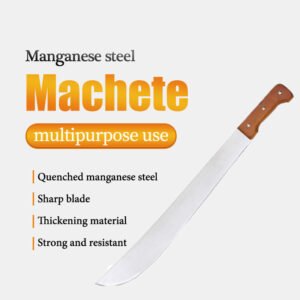
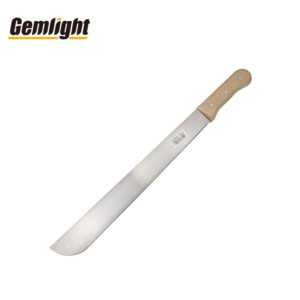
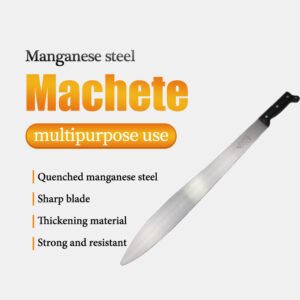
4.2 Machetes
-
Use: Clearing bush, cutting sugarcane
-
Types: Barong, Bolo, Bowie, Kukri
-
Benefits: Durable, versatile for multiple tasks
4.3 Hand Digging Tools
-
Use: Removing weeds, aerating soil
-
Types: Small spades, mini hoes
-
Benefits: Ergonomic, suitable for raised beds and gardens
5. Harvesting Tools
5.1 Scythes
-
Use: Cutting large grass fields or cereals
-
Benefits: Fast, efficient for bulk harvesting
5.2 Harvesting Knives
-
Use: Cutting fruits, vegetables, and cane
-
Materials: Carbon steel
-
Benefits: Sharp, easy to handle, reduces damage to produce
5.3 Shears and Pruners
-
Use: Pruning shrubs, harvesting fruits
-
Materials: Forged steel blades, ergonomic grips
-
Benefits: Precision cutting, safe handling, prolongs tool life
6. Irrigation and Water Management Tools
6.1 Watering Cans and Hoses
-
Use: Manual watering of plants
-
Materials: Plastic or galvanized steel
-
Benefits: Flexible for small farms or nurseries
6.2 Drip Irrigation Kits
-
Use: Efficient water distribution
-
Benefits: Reduces water usage, ensures consistent moisture
6.3 Sprinklers
-
Use: Large field irrigation
-
Benefits: Uniform coverage, labor-saving
7. Livestock and General Farm Tools
7.1 Feed Troughs and Buckets
-
Use: Feeding animals
-
Materials: Plastic, metal
-
Benefits: Durable, easy to clean
7.2 Pitchforks
-
Use: Moving hay, manure
-
Materials: Steel tines with wooden handle
-
Benefits: Lightweight, strong, reduces labor fatigue
7.3 Wheelbarrows
-
Use: Transporting soil, fertilizer, produce
-
Benefits: Saves time, allows moving heavier loads efficiently
8. Choosing the Right Agricultural Tools for Your Market
To maximize sales and customer satisfaction, U should evaluate:
-
Durability and Material Quality – steel types, handle ergonomics
-
Tool Versatility – multiuse tools like machetes or hoes
-
Market Demand – small farms, commercial plantations, urban gardeners
-
Supplier Reliability – timely delivery, consistent quality
-
Packaging and Branding – OEM options, bulk cartons for wholesalers
Correct selection ensures tools meet real farm conditions, boosting repeat orders and customer trust.
9. Comparison Table of Common Agricultural Tools
| Tool Type | Use | Material | Benefits | Recommended Market |
|---|---|---|---|---|
| Hoe | Soil tilling | Steel & wood/plastic | Durable, lightweight | Small & large farms |
| Shovel | Digging | Steel & wood | Strong, versatile | All farms |
| Rake | Soil leveling | Steel/wood | Uniform seedbeds | Nurseries & farms |
| Sickle | Harvesting | High-carbon steel | Sharp, lightweight | Small crops & gardens |
| Machete | Bush clearing | Carbon steel | Versatile, durable | Sugarcane, forest |
| Wheelbarrow | Transport | Steel tray & wheels | Heavy load handling | All farm types |
| Pitchfork | Hay & manure | Forged steel | Labor-saving | Livestock farms |
| Sprinkler | Irrigation | Plastic/metal | Efficient water coverage | Medium & large farms |
10. Benefits of Supplying Quality Agricultural Tools
Providing reliable tools from your inventory gives U:
-
Strong repeat orders
-
Reduced complaints about durability or performance
-
Ability to cater to diverse agricultural sectors
-
Improved reputation as a professional supplier
-
Competitive edge in regional markets
Distributors and wholesalers who understand the list of tools used in agriculture can offer tailored solutions for farmers, increasing satisfaction and profitability.
Conclusion
Knowing the list of tools used in agriculture equips U to supply the right products to meet varying farming needs. From hoes, shovels, and rakes to sickles, machetes, and irrigation equipment, each tool contributes to productivity, safety, and efficiency.
View products