Which Farm Cutting Tools Should a Sugarcane Distributor Stock?
A sugarcane distributor wants a complete cutting-tool range. Should it order several cane knife styles, one general machete, or both?
Start with the customer’s work and proven local demand. Harvesting, field maintenance, and clearing around plantations may need different blades.
A useful range can be small. Each model needs a defined purpose, separate SKU, and evidence that buyers will choose it.

Map Customers and Jobs Before Filling Shelves
Identify who purchases tools: manual harvesting crews, farm owners, plantation buyers, hardware retailers, or tender contractors.
Ask which jobs each group pays to complete. Cutting cane at the base is not identical to clearing paths or trimming field edges.
Find out how cane is gathered after cutting. That process may influence demand for a hooked tip, but not every crew wants one.
Ask about the current locally popular knife. Photograph its profile and note what workers value or complain about.
Track sales by job and buyer group rather than grouping every long blade under one “machete” total.
A market dominated by mechanized harvesting may have different manual-tool demand. Do not infer stock volume from cane acreage alone.
Ask dealers which items customers request but cannot find. Separate genuine repeated inquiries from an isolated request for an unusual model.
Consider seasonality in ordering. A pre-harvest rush differs from year-round plantation maintenance demand.
If a tender specifies exact tools, stock decisions should follow its written requirements rather than a generic catalog assortment.
Request a Wholesale Quote:Whatsapp : (+86 13383021196) E-mail : gemlight@ganzhedao.com
Build a Narrow Core Range First
A plain-tip cane knife can be a core candidate where workers use it for repeated stalk cutting. Validate its dimensions against a local reference.
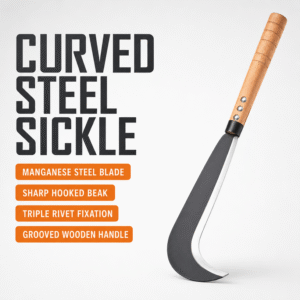
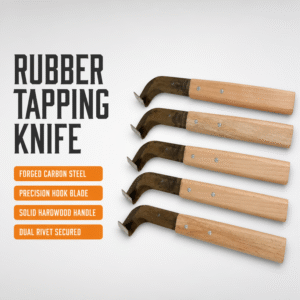
A hooked cane knife can be a second option where crews use the hook to move cut stalks. Test the actual hook design.
These are not automatically two required SKUs. If customers consistently choose only one, avoid duplicating inventory without evidence.
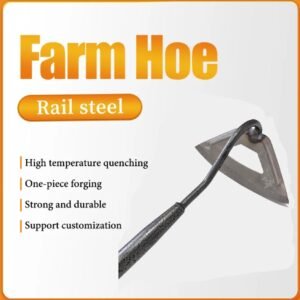
A general clearing machete may address field edges and paths. It should not be presented as the default substitute for cane harvesting.
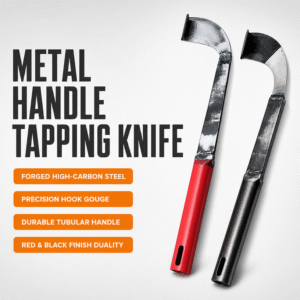
Where woody regrowth is common, a different profile or hand tool may be needed. Let crew feedback define that additional line.
Keep harvest knives distinct from maintenance blades on the shelf. Clear names and photos reduce wrong-model orders.
If local users ask for a particular cutlass or panga, match their reference before applying those names to stocked products.
Do not promise one blade cuts every crop equally well. A compact range with clear purposes is easier to explain and reorder.
Ask suppliers for finished samples of each proposed SKU. A catalog family photograph cannot establish the exact shipped pattern.
Compare Stocking Costs Beyond Unit Price
Check the complete landed configuration: blade, handle, factory edge, guard, individual wrapping, and carton packing.
Some listed cane knives require sharpening before first use. Decide whether your customers expect a field-ready edge or do local finishing.
A sheath that fits a straight blade might not cover a hook. Quote accessories against the actual completed model.
Ask how steel designation, finish, and handle construction are controlled between batches. Avoid unverified claims of superior durability.
Review the time needed to replenish each model. A slow-moving specialty SKU may tie up funds during the next harvest season.
Measure returns and complaints by specific SKU. Mixing straight-tip and hooked versions in one code hides which model has a problem.
Consider whether farm buyers purchase replacement handles or only complete tools. Stock parts only if the model and local demand support them.
For retail sales, check shelf labels, barcodes, and packaging. Institutional crews may care more about batch identification and issue records.
If buyers need technical documentation or an inspection report, agree on it before quoting. Do not imply a test occurred without evidence.
Request a Wholesale Quote:Whatsapp : (+86 13383021196) E-mail : gemlight@ganzhedao.com
Run a Controlled Local Trial
Choose a locally accepted cane knife and a small group of candidate tools. Give each finished sample a separate identifier.
Let representative workers test cutting, gathering, and maintenance tasks separately, under established site safety rules.
Ask which option feels easiest to control near standing cane. Record how the workers handle cut stalks afterward.
Compare edge condition fairly. A sharpened candidate should not be judged against a reference needing maintenance.
Inspect handle fit and edge wear after use. Record unexpected contact with hard objects separately from ordinary cutting.
Ask retailers how buyers describe the sample. A locally familiar name can help sales, but should not replace technical identification.
Trial feedback can justify a small launch order. It cannot establish precise lifetime performance or guarantee sell-through.
Track subsequent sales, repeat requests, and returns before expanding the range. A model’s first-week popularity may reflect novelty.
Revisit choices after a harvest cycle if local work changes. Keep the reference sample available for consistent reorders.

Place a Stock Order That Can Be Repeated
For each model, record blade length, overall length, width at agreed points, tip, edge condition, assembled weight, and handle details.
Include material declaration, finish, optional guard, packing, quantities, and the drawing revision. Put substitutes on separate quote lines.
Approve a preproduction sample bearing the same code as the purchase order. Check production units against that reference.
If hooked and plain-tip options both sell, give each its own SKU and carton label. Do not let warehouse picking depend on a vague name.
Ask the supplier to disclose any change in tooling, handle, or edge finish before a repeat order. Familiar labels can hide design drift.
For destination-specific requirements, confirm documentary and labeling obligations with the appropriate local experts. Do not assume all markets use identical rules.
A distributor should stock the smallest practical set that covers proven harvest and maintenance needs, then expand on verified demand.
Share your market’s current cane knife and stocking brief with an inquiry. We can discuss clearly separated samples and comparable quotations.
Request a Wholesale Quote:Whatsapp : (+86 13383021196) E-mail : gemlight@ganzhedao.com