Cutlass vs machete is a common question for African farm tool importers, but the answer is not only about the English name. In many African markets, buyers may say cutlass, machete, panga or cane knife for similar cutting tools. However, the blade shape, handle, size, weight and local user habit can be very different. If you are importing farm tools for Nigeria, Ghana, Cameroon, Kenya, Uganda or other African markets, you need to choose the product that your local farmers already understand and trust.
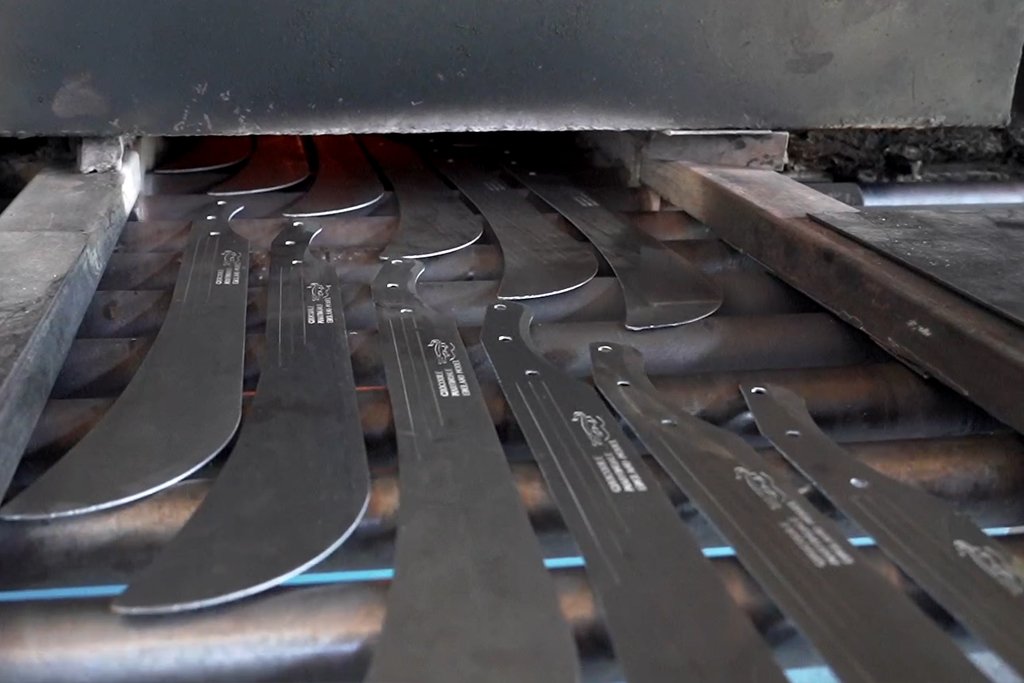
Cutlass vs Machete: Why the Name Can Confuse Buyers
In real business, different markets use different names for similar tools. A customer in West Africa may ask for a cutlass, while another buyer may search for machete. Some buyers use the word panga for a heavy cutting blade. Others may call it bush knife or farm knife. This can confuse new importers when they search suppliers online or compare product catalogues.
For B2B buyers, the key point is simple: do not buy only by product name. You should check the actual blade shape, blade length, handle style and local use. A product called machete by one supplier may look like a cutlass to your local customers. A product called cutlass by one buyer may be listed as agricultural machete by a China factory.
That is why a clear cutlass vs machete comparison is useful. It helps importers avoid wrong models, slow-moving stock and customer complaints. The product should match the market, not just the keyword.
Cutlass vs Machete: Main Differences in Blade Shape
The biggest difference is usually the blade shape. A straight machete often has a long and simple blade. It works well for grass cutting, crop clearing and general farm use. A cutlass normally has a more curved or wider blade shape, depending on the local market style. Some cutlass models have more weight near the front, which helps users cut bush, branches and thicker vegetation.
In West African markets, many end users are already familiar with cutlass-style blades. They use them for clearing land, cutting grass, harvesting crops and general rural work. If your customers ask for cutlass, they may not accept a very thin straight machete even if the price is cheaper.
For African importers, the best way to compare cutlass vs machete is to look at the real local sample. If your old customer sends you a photo, do not only ask the supplier for a general machete. Send the photo, length, blade width, handle type and thickness requirement. This helps the factory match the closest model.
Which One Sells Better in West Africa?
There is no single answer for every country. In Nigeria, Ghana, Cameroon and other West African markets, the word cutlass is very common. Many farmers and hardware traders understand cutlass as a daily agricultural cutting tool. In other markets, machete or panga may be more common.
When you compare cutlass vs machete for wholesale business, think about your sales channel. A hardware distributor may want a clear product name and stable model number. A farm tool wholesaler may care more about blade shape and price level. A brand owner may need logo printing, carton mark and package design.
Handle Choice for Cutlass and Machete Orders
Handle style is another important point. Many African buyers are familiar with wood handle farm tools. A wood handle cutlass can look traditional and easy to accept. However, buyers should check wood dryness, smoothness, rivets and handle fixing. Weak wood can crack or become loose, which may cause complaints.
Plastic handle machetes can look cleaner and more modern. They are useful when importers want color options, private label and easier product recognition. Injection-molded handles can give a more uniform appearance and are suitable for buyers who want a stable product line.
When comparing cutlass vs machete, do not ignore the handle. A good blade with a weak handle is still a problem. Importers should confirm handle material, rivet structure, grip shape and whether the handle feels comfortable for real farm work.
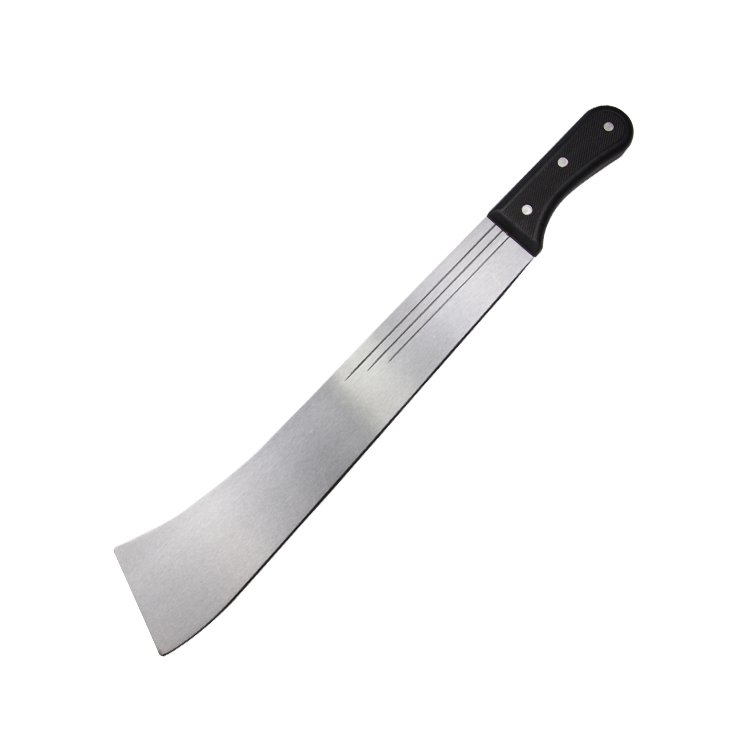
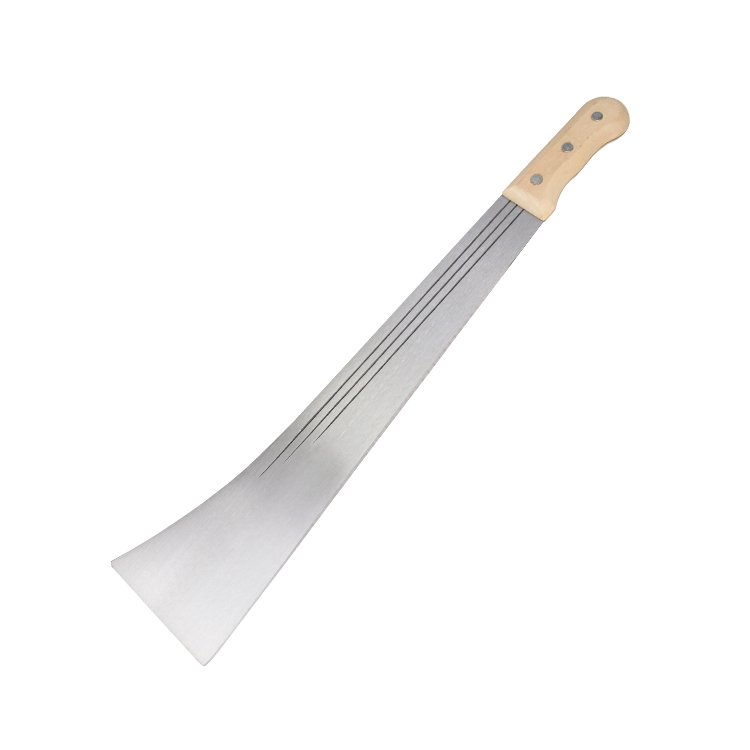
Packing and OEM Details for Cutlass vs Machete Orders
For bulk importers, packing is part of product quality. A cutlass or machete may travel by sea, stay in a warehouse and move through several local distributors before reaching the final shop. Weak cartons, poor packing and unclear marks can create problems before the goods are sold.
Before confirming the order, ask the factory about carton quantity, single piece protection, oil protection, label, brand sticker and shipping mark. If you sell to open markets, simple export packing may be enough. If you sell to retail shops or brand distributors, you may need better labels, printed cartons or barcode stickers.
OEM service is also useful for African importers. You can discuss blade logo, handle color, carton mark, model number and label design. For long-term cutlass vs machete business, your own brand can help customers remember the product and reorder the same model.
How to Send a Clear Inquiry to a China Factory
A clear inquiry helps the supplier recommend the right model. Instead of saying only “send cutlass price,” share the market and the product details. You can send a message like this:
Hello, we are comparing cutlass vs machete for our West African market. We need agricultural cutting tools for Ghana/Nigeria. Please recommend popular cutlass and machete models with 20 inch and 22 inch blade size, wood handle or plastic handle, export carton packing and OEM logo option.
If you have a local sample, send photos from the side and handle area. Also send the total length, blade length, blade width, thickness and handle material if possible. This will make the quotation faster and more accurate.
External Reference for Agricultural Tool Buyers
For general farming and agricultural development information, buyers can refer to FAO agriculture resources. However, for cutlass vs machete specifications, blade shape, packing and OEM requirements, importers should confirm details directly with the factory before placing a bulk order.
Recommended Cutlass and Machete Pages
- Cutlass and Machete Difference Guide
- Agricultural Machetes Wholesale
- Machete Product Category
- Contact Gemlight for Cutlass and Machete Quotation
FAQ About Cutlass vs Machete
Are cutlass and machete the same product?
They are similar agricultural cutting tools, but the name and blade shape can be different by market. In some West African markets, cutlass is a more common local name. Importers should check the real blade shape, size and local user habit before buying.
Can a China factory make cutlass according to my sample?
Yes, this can usually be discussed. Send clear photos, measurements, handle details, blade thickness and packing requirements. The factory can check whether an existing model is close or whether customization is needed.
Should I use cutlass or machete in my product title?
For SEO and sales, many importers can use both words naturally. For example, you can describe the product as cutlass machete or agricultural cutlass machete if this matches your market and product shape.
What should I confirm before placing a bulk order?
Confirm blade shape, size, thickness, steel material, handle type, packing, carton mark, OEM logo and sample quality. These details help reduce wrong stock and customer complaints.
Get Cutlass and Machete Wholesale Quotation
If you are comparing cutlass vs machete for African wholesale markets, Gemlight can help you discuss blade shape, size, handle, packing and OEM logo options. Send your target country, local sample pictures and expected quantity, and we will help match suitable farm tool models for your market.