A distributor says farm workers want durable cutlass Features. That request sounds clear until several suppliers offer tools with very different blades and handles.
“Cutlass” can name an agricultural cutting tool in some markets. It does not tell you which features the local workers expect.
Begin with daily use, then define the blade, grip, edge, and acceptance checks. The right feature list should solve actual field complaints.

Start With Workers’ Main Tasks
Ask whether workers clear grass, cut mixed brush, maintain field boundaries, or handle crop stalks. These tasks place different demands on a blade.
A worker clearing open growth may value reach and easy repeated swings. Someone cutting around crops may prioritize control.
Ask which cutting task occupies most of the day. A blade that handles a rare heavy job can still be a poor daily tool.
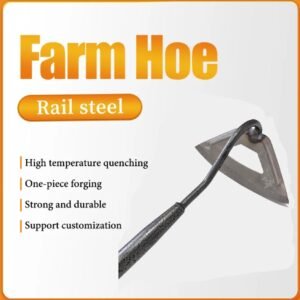
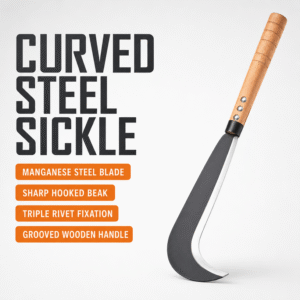
Look at the locally preferred cutlass. Record its outline and handling rather than translating the name into a generic machete listing.
Some buyers call many similar tools cutlass Features. Others expect a particular tip or width. Let the reference sample settle that difference.
If the work changes seasonally, ask whether one general model is accepted or two distinct tools are purchased.
Talk to those who replace damaged cutlasses. Their reasons may reveal a weak joint, unsuitable edge, or misunderstood pattern.
For tender orders, start with the official specification, even when worker preference suggests another design. Seek clarification before proposing alternatives.
Request a Wholesale Quote:Whatsapp : (+86 13383021196) E-mail : gemlight@ganzhedao.com
Check the Blade Profile and Edge
Record blade length and overall length separately. Nominal sizes may refer to different dimensions across suppliers.
Measure maximum width and the shape near the tip. Those details affect cutting feel and whether users recognize the tool.
Check thickness and finished weight. A heavier cutlass is not automatically more durable or more comfortable for repeated use.
Compare front and side photographs at the same scale. The side view can reveal a difference hidden by a flat catalog picture.
Ask where the edge starts and whether the tool arrives ready for field work. Some blades need additional sharpening after delivery.
Define the expected edge finish in the order. Otherwise, a supplier can price an unfinished blade against a ready-to-use competitor.
Confirm offered steel grade and production evidence when required. “High quality” is not a measurable substitute for material information.
If hardness is specified, ask for the test method and acceptance range. Do not choose a number merely because another advertisement uses it.
Check for rough edges or uneven finish on samples. A blade can meet a nominal size while still being unpleasant to handle.
Do Not Overlook the Handle
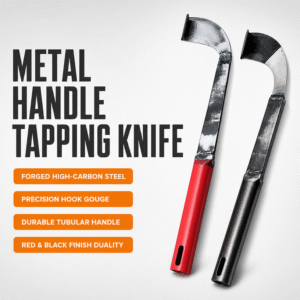
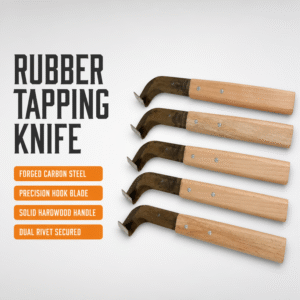
Workers hold the handle for every cut. Grip shape, length, material, and surface finish can influence control and comfort.
Ask users whether they wear gloves or work in wet conditions. Test the sample under conditions that resemble actual field use.
Inspect how the handle attaches to the blade. Loose fasteners or movement during use can cause early complaints.
Compare a finished sample with the local reference. A handle that looks similar in a photograph may have a noticeably different grip.
Do not promise a “non-slip” surface without testing. Describe the actual material and texture, then ask users whether it works.
If several worker groups use different grips, label the variants clearly. Do not mix handles under one model code.
A tool sold without a sheath may still need a safe edge cover for shipment. Confirm what comes with each unit.
Ask retailers whether end buyers value hang holes, printed labels, or other presentation details. These are commercial requirements, not blade performance.
Request a Wholesale Quote:Whatsapp : (+86 13383021196) E-mail : gemlight@ganzhedao.com
Define Durability and Inspection Honestly
Durability depends on more than steel grade. Blade shape, heat treatment, handle attachment, maintenance, and working conditions all contribute.
Ask what failures buyers have seen. A bent blade, chipped edge, loose handle, and corrosion need different corrective actions.
Ask when failures appear and how workers used the tool. A damaged edge after striking stone tells a different story from a loose new handle.
Compare how many tools are affected, not only the most dramatic example. Keep photographs and batch numbers so a factory can investigate the right production run.
If a blade rusts during storage, check drying, coating, packing, and warehouse conditions before treating steel grade as the only cause.
Review an approved sample with the intended buyer. Then turn what matters into dimensions, materials, finish requirements, and checks.
Request supplier evidence where the contract calls for it. Avoid claiming guaranteed service life without a defined field test.
For bulk orders, specify how many units will be inspected and which features are critical. Agree on acceptance rules before shipment.
Check carton protection and moisture exposure. Poor packing can damage edges or finishes before cutlasses reach the workers.
If tools will be resharpened locally, ask whether the edge and material support normal maintenance practices. Test that with a sample.
Keep complaints tied to batch and model codes. This helps trace whether a problem came from one shipment or the original design.
Build a Quote Farm Buyers Can Trust
Send the supplier a full-length local sample or dimensioned drawing. State the field task and market alongside the cutlass name.
List blade length, width, thickness, tip, finished weight, handle construction, edge condition, surface finish, and packing.
Ask the supplier to identify any differences from the reference. A cheaper alternative should appear as a separate offer, not a silent change.
Where possible, have workers try the sample before placing a large order. Record their feedback as concrete acceptance or revision points.
If a tender includes mandatory documents, submit them in a requirement-by-requirement compliance sheet. Promotional claims do not fill evidence gaps.
The most important feature is not a slogan like “heavy duty.” It is a cutlass that matches the job, local feel, and agreed specification.
Share your market’s current cutlass and the problems workers report when requesting a quote. We can discuss which features deserve priority.
Request a Wholesale Quote:Whatsapp : (+86 13383021196) E-mail : gemlight@ganzhedao.com