Quick Answer
Use after-sales feedback to decide whether to repeat, correct or split a machete model on the next order. Link every complaint and positive report to the technical SKU, lot, cutting task and period of use. Separate arrival damage, manufacturing issues and field wear before changing specifications. Trial any revised blade or handle against the retained sample, then update the drawing, inspection points and reorder mix.
Key Takeaways
- Sales volume alone cannot explain field suitability.
- Complaint counts without units sold and service exposure do not establish a failure rate.
- A requested new tip should be trialed as a controlled variant, not silently substituted.
Which Feedback Identifies the Tool and Job?
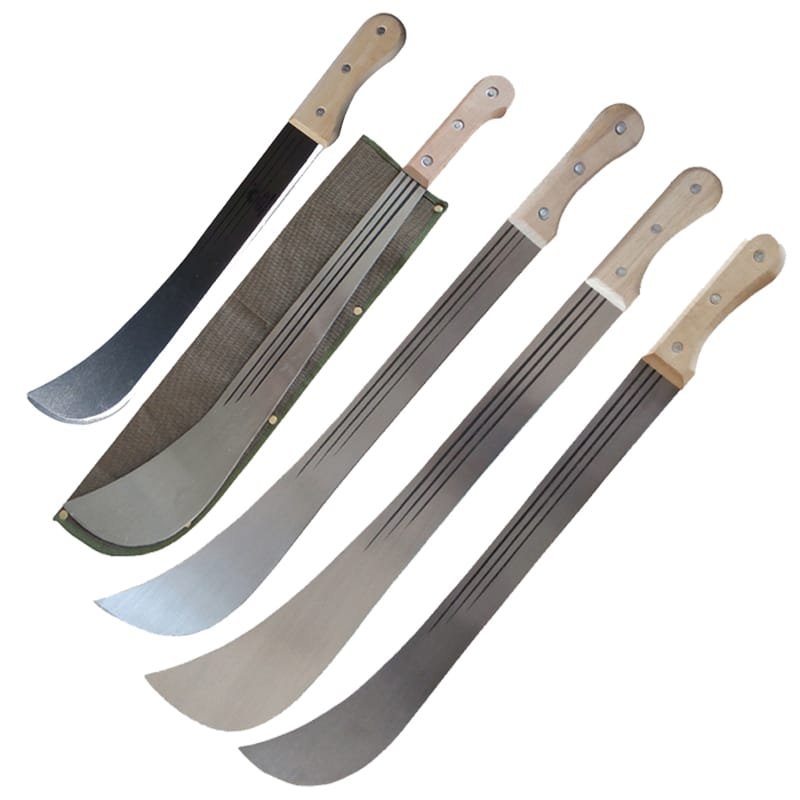
Capture SKU, lot, purchase date, photographs and the market-facing name, but do not rely on “panga” alone. Ask what vegetation the user cut, how often the tool was used, and whether sharpening, modification or storage conditions may matter.
Collect positive feedback alongside returns. A favored grip or balance may need preserving even if one edge issue deserves investigation. Keep retailer stocking comments separate from end-user reports.
Request a Wholesale Quote:Whatsapp : (+86 13383021196) E-mail : gemlight@ganzhedao.com
| Report | Needs verification | Buyer action |
|---|---|---|
| Loose handle | Model, lot, time in service and joint | Review assembly records and samples. |
| Edge damage | Unopened carton or impact during use | Separate packing from field causes. |
| Rust | Coating, packing and storage | Investigate before changing finish. |
| Wrong pattern | Photo, catalog and carton code | Correct labels or SKU mapping. |
How Do Buyers Separate Defects From Use Conditions?
Group cases by profile, edge, handle, coating, pack and delivery identity. Compare affected and unaffected lots, supplier process-change records, units sold and time in service. An edge chip may have several causes; mark unresolved cases as unresolved.
Prioritize repeated or safety-related issues before cosmetics. A carton-damaged blade points toward a different investigation from an edge damaged after stone contact. Do not turn anecdotal complaints into a numerical failure-rate claim without the denominator.
How Should Evidence Change the Next Purchase?
Keep features users value. For confirmed handle or edge defects, request root-cause action and production-intent revised samples. Let representative users compare old and new versions on the same job; update drawings and inspection instructions only after approval.
Compare repeat demand, returns and remaining stock by SKU before setting quantities. Keep older revisions separate during distribution. Put corrective action, affected lot, version and inspection checkpoint in the next order, then follow up after sufficient field use.
Request a Wholesale Quote:Whatsapp : (+86 13383021196) E-mail : gemlight@ganzhedao.com
Repeat-Order RFQ Checklist
- SKU, revision and lot history: identify the affected model.
- Complaint evidence and task: separate use from arrival condition.
- Supplier process review: investigate recurring causes.
- Revised sample and field trial: check the proposed fix.
- Updated drawing and inspection: control the next batch.
- Per-SKU volume and price: align the reorder mix with verified demand.

Buyer FAQ
Does a fast first sell-through justify the same reorder?
Not without returns, repeat demand and stock review.
Should one chipped blade change all SKUs?
No. Investigate its lot, task and cause first.
When can an improved model replace the old one?
After controlled sample approval and clear revision labeling.
Request a Wholesale Quote:Whatsapp : (+86 13383021196) E-mail : gemlight@ganzhedao.com