Machete Sample Order Guide for African Importers
Machete sample order is a smart first step before you buy a full container or a large batch from China. For African importers, the sample is not only for looking at the product photo in real life. It is a way to check blade strength, handle comfort, packing quality, logo position and whether the machete can fit the local market. If your customers are farmers, hardware shops, market traders or plantation suppliers, a small sample check can save you from slow-moving stock and quality complaints later.
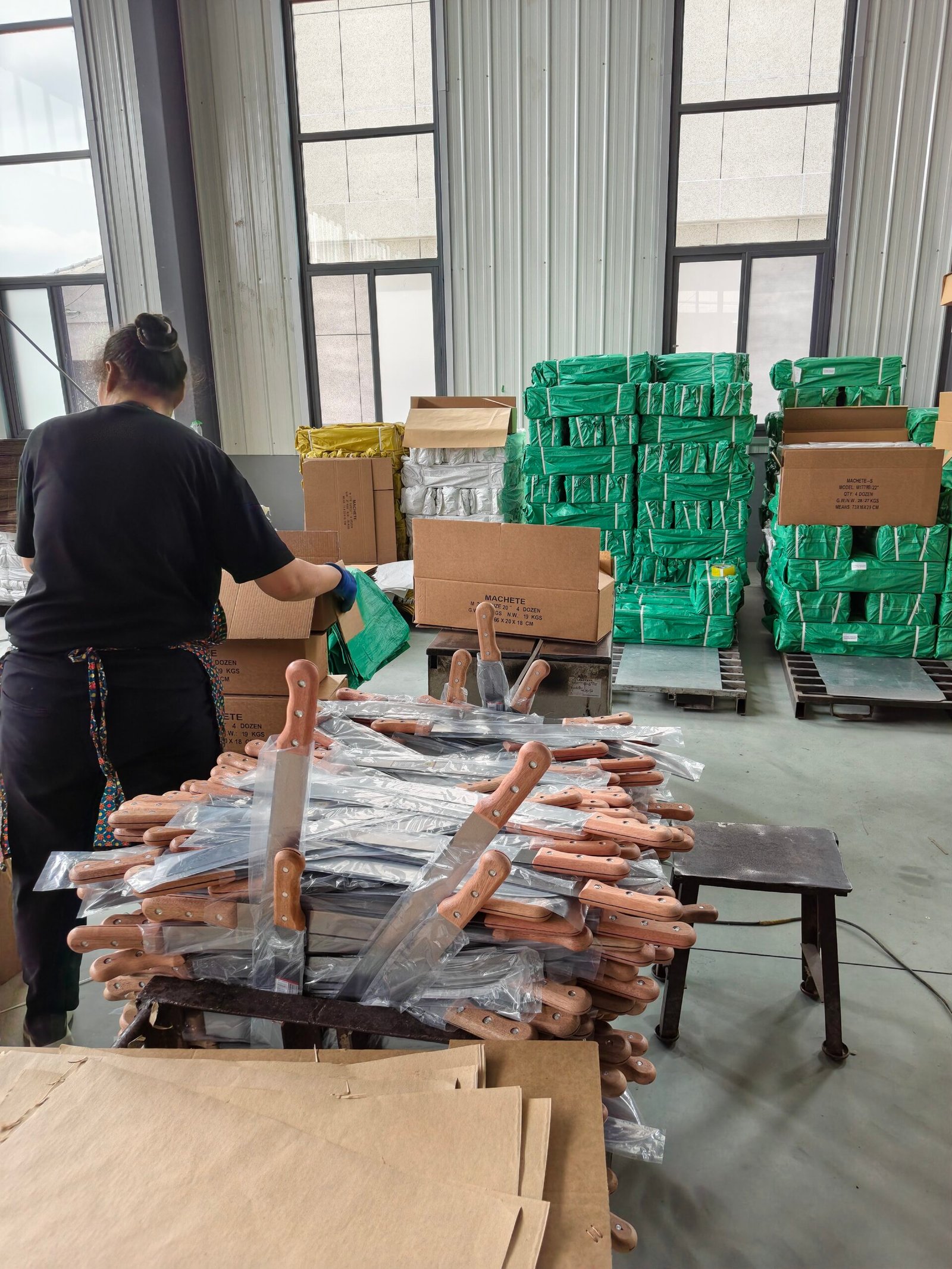
Why a Machete Sample Order Matters Before Bulk Buying
Many buyers ask for the lowest price first. That is normal in wholesale business. But machetes are working tools. The final user will not judge the product only by price. A farmer will care about whether the blade cuts well, whether the handle is comfortable, whether the edge can be sharpened again and whether the machete lasts long enough for daily farm work.
A machete sample order helps you answer these questions before you send a big deposit. You can hold the product, check the balance, compare the blade size with your local best-selling model, and show the sample to your own customers. This is very useful for African markets because different regions may prefer different names and blade shapes, such as cutlass, panga, cane knife or agricultural machete.
For a new importer, samples help reduce risk. For an experienced importer, samples help confirm whether a new supplier can follow your requirements. If the sample is not correct, it is much cheaper to fix the problem at sample stage than after bulk production.
What to Check in a Machete Sample Order
A good machete sample order should not only include one random piece. It should include the key details that affect selling and repeat orders. Before asking the factory to send samples, prepare a clear list of what you want to test.
- Blade size: compare 18 inch, 20 inch, 22 inch or 24 inch according to your market.
- Blade shape: check whether your market needs straight machete, cutlass, panga or cane knife.
- Blade thickness: decide whether your customers prefer light, medium or heavy feeling.
- Handle type: compare wood handle, plastic handle or injection-molded handle.
- Edge finish: check whether the edge is suitable for local sharpening habits.
- Packing: test PVC bag, label, carton mark and export carton quality.
- Branding: confirm logo size, logo color and logo position if you need OEM service.
If you do not know which model to choose, send the factory your target market and a photo of a popular local machete. A factory with export experience can suggest similar models for your sample order.
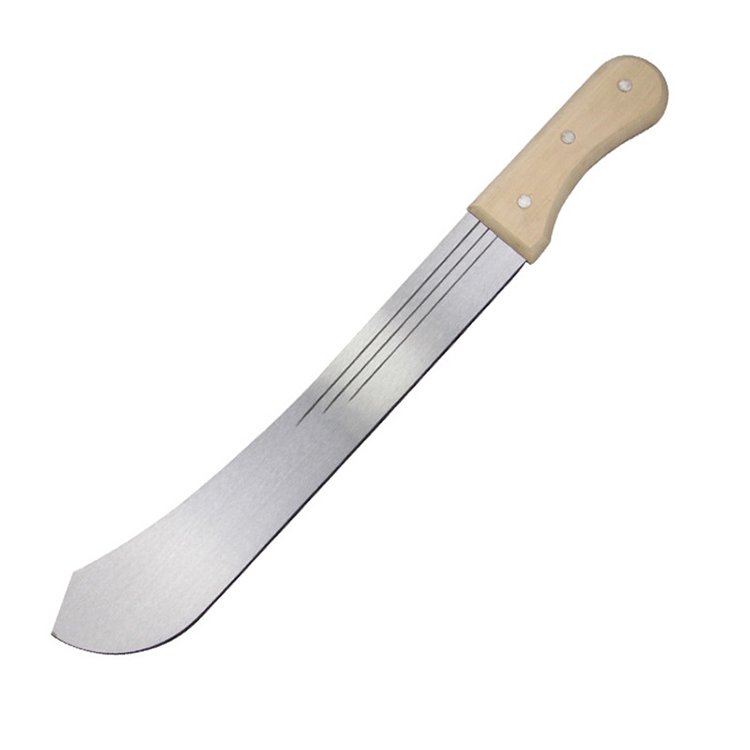
Machete Sample Order Inspection Checklist
When the samples arrive, do not only take a photo and keep them in the office. Open the package and check each part. You can use a simple checklist like this before giving feedback to the supplier.
| Check Point | What to Look At | Why It Matters |
|---|---|---|
| Blade length | Measure the real cutting blade length | Local buyers often know the size they want |
| Blade balance | Hold and swing carefully in a safe area | Bad balance makes long-time work tiring |
| Handle fixing | Check rivets, gaps and looseness | Loose handles create complaints |
| Surface finish | Check paint, polish, oil and rust marks | Storage and shipping time can be long |
| Packing | Check bag, label, carton and shipping mark | Packing affects resale and transport |
You can also ask one or two trusted local users to test the sample in normal farm work. Their feedback is often more useful than office inspection. Ask them whether the machete feels too heavy, too light, too short, too long or uncomfortable in hand.
How to Compare Samples Without a Big Testing Lab
Most importers do not have a professional testing lab. That is fine. For this type of farm tool, practical comparison is still very helpful. Put the new sample beside the model already selling well in your market. Compare size, blade shape, handle thickness, weight feeling, edge, finishing and packing.
Do not make your decision only after one quick look. Leave the sample in your office or shop for a few days and show it to people who know the market. If different people give the same comment, listen carefully. For example, if many people say the handle is too thin, or the blade is too light, that is a real signal.
How to Turn a Machete Sample Order Into a Bulk Order
After the sample is approved, do not rush into a bulk order without writing down the approved details. The final production should follow the same size, handle, color, logo and packing as the confirmed sample. Ask the factory to record the sample details in the quotation or proforma invoice.
Before bulk production, confirm these points again:
- Approved sample model and blade size.
- Handle material, handle color and handle fixing method.
- Logo position, label design and carton mark.
- Pieces per carton and total carton quantity.
- Whether mixed models are allowed in one order.
- Pre-shipment photos for product and packing.
This step makes the order clear for both sides. It also helps you train your sales team because they can show the approved sample and explain the main selling points to local customers.
Suggested Gemlight Pages for Sample Selection
- Agricultural Machetes Wholesale
- Machete Product Category
- 22, 24 and 30 Inch Machetes
- Contact Gemlight for Machete Samples
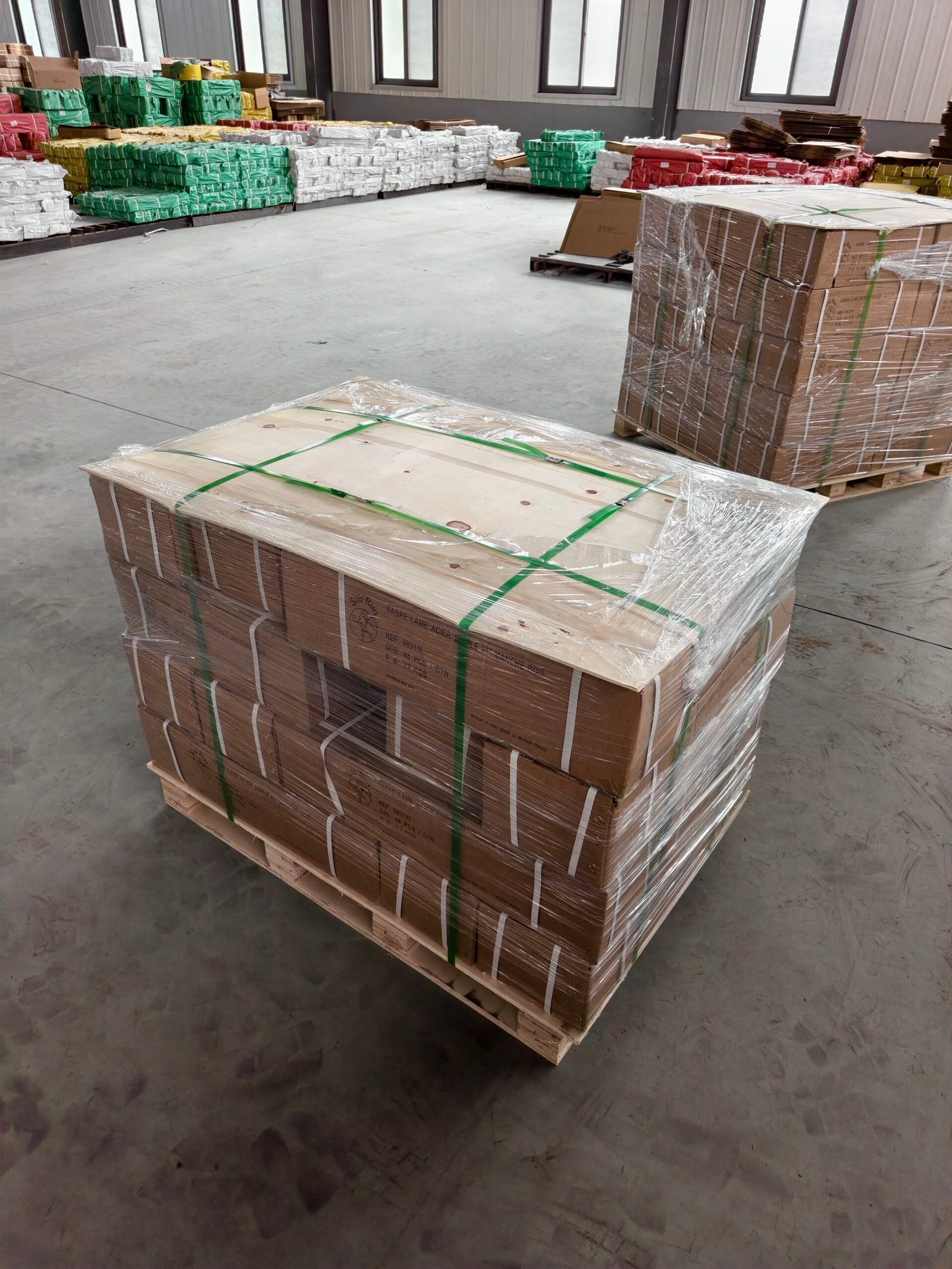
FAQ About Machete Sample Order
How many pieces should I request for a machete sample order?
It depends on how many models you want to compare. Many importers start with several sizes or handle types, then choose the best model for a trial order. The key is to test the models that match your market, not to request too many random samples.
Can I request my logo on the sample?
Yes, logo samples can usually be discussed. You should send a clear logo file, color requirement and position. For a first check, some buyers approve the product sample first, then confirm branding details before bulk order.
What should I do if the sample is close but not perfect?
Send clear feedback with photos, measurements and comments. Tell the supplier exactly what should change, such as handle color, blade length, edge finish or packing label. Good feedback helps the factory make the next sample closer to your market requirement.
Get a Machete Sample Order Quotation
If you are preparing a machete sample order for African markets, send your target country, preferred blade size, handle type, packing idea and reference pictures. Gemlight can help you choose suitable agricultural machete models before you move to bulk buying.