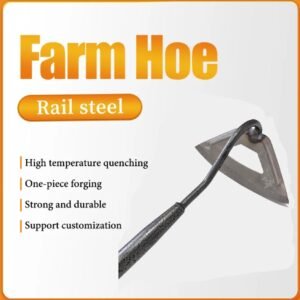
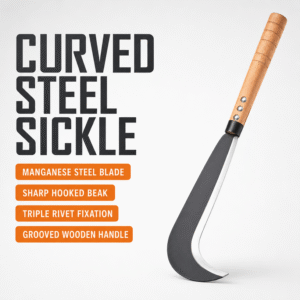
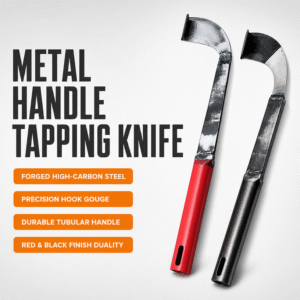
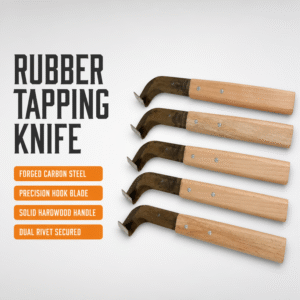
A buyer asks for machetes. One supplier quotes a slim clearing blade. Another offers a broad cane knife. Both call their products machetes.
Neither quote is useful until the buyer defines the work. In agricultural sourcing, “machete” is a broad starting label, not a complete specification.
That distinction matters to importers, farm-tool traders, and tender bidders. A familiar name can hide differences that affect handling, pricing, and acceptance.
What Does the Word Cover?
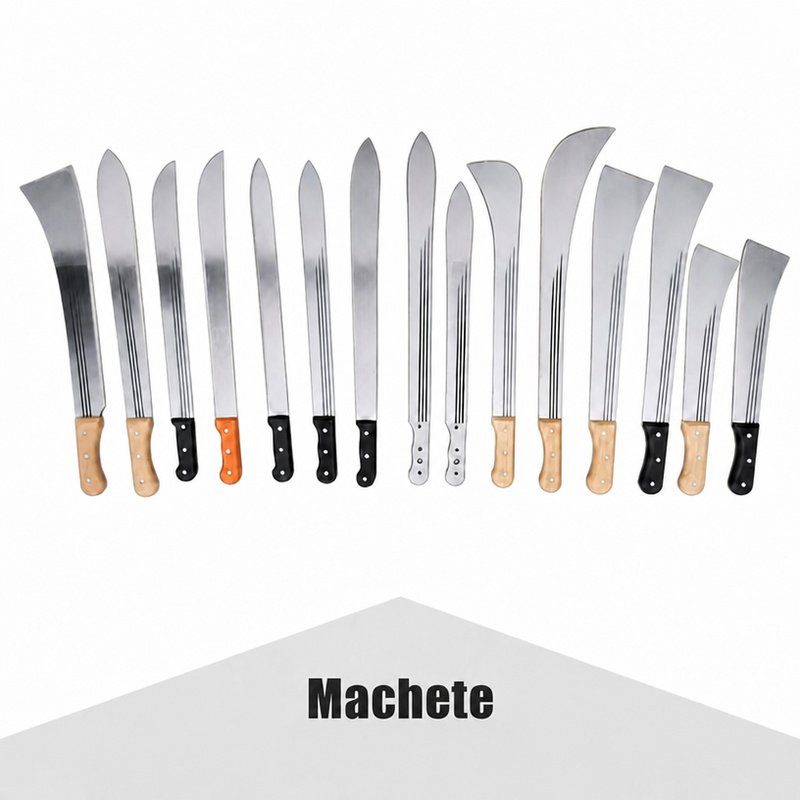
A machete is generally a hand-held, long-bladed cutting tool used for vegetation and related farm work. Yet there is no single blade shape behind every listing.
A catalog may group brush-clearing blades, crop knives, and regional patterns together. The grouping helps shoppers browse, but it does not tell a factory what to make.
Local names add another layer. Some buyers ask for a cutlass, panga, bolo, or cane knife while still searching under “machete” online.
These names can overlap in conversation. They do not guarantee matching outlines, weights, or intended jobs across markets.
Think of “machete” as the family name. Then identify the exact pattern and working requirements before comparing supplier offers.
Request a Wholesale Quote:Whatsapp : (+86 13383021196) E-mail : gemlight@ganzhedao.com
Start With the Job, Not the Catalog Title
Ask what workers will cut. Thin grass, tangled brush, fibrous stalks, and thicker branches can call for different balances and cutting edges.
Next, ask how they work. Repeated broad swings may favor different length and weight choices from close-range cuts near crop bases.
A blade intended for clearing paths may frustrate workers harvesting sugarcane. A compact crop knife may lack the reach expected for open-area clearing.
The job also affects the handle. Workers wearing gloves, working in wet conditions, or cutting for long shifts may value different grip shapes.
Do not assume a heavier tool is automatically more durable. Added weight can change fatigue and control without solving a weak handle joint.
Likewise, a longer blade is not automatically better. It may add reach, but it can also change transport, balance, and safe working space.
Ask your downstream customer for a photograph of the tool currently used successfully. Then ask what they want improved, not merely copied.
If no sample exists, describe the crop, vegetation, working method, and preferred local name in the same inquiry. That narrows the choices quickly.

Turn a Broad Request Into a Verifiable Specification
Record blade length and overall length separately. Buyers sometimes say “18-inch machete” without explaining which measurement they mean.
Add maximum blade width, shape at the tip, edge location, and thickness. A front photograph cannot show every dimension or the blade’s side profile.
Request unit weight and, when practical, a clear balance description. Two blades with equal length can feel quite different in use.
Identify the steel grade only when you can verify it. Words like “high carbon” are too broad to replace a material declaration.
Ask how hardness is measured and where the test is taken if hardness matters. An unsupported number on a sales sheet is not inspection evidence.
Specify the handle material, attachment method, and acceptable finish. A sound blade with a loose handle can still fail in the field.
State how the tool should arrive: sharpened or ready for final sharpening, protected from corrosion, and packed with a safe edge cover.
Photographs should show front, side, handle joint, and tip beside a ruler. A signed sample or dimensioned drawing is stronger than a picture alone.
If you are tendering, copy the required terms exactly into a compliance sheet. Mark unknown items as unknown instead of quietly substituting a catalog description.
Before production, agree on what inspectors will check and how. Name the dimensions, tolerances, finish, packaging, and sample approval procedure.
Request a Wholesale Quote:Whatsapp : (+86 13383021196) E-mail : gemlight@ganzhedao.com
Match Names to Markets Without Guessing
A regional name may be the right product label for local buyers. Use it in listings if it genuinely reflects the tool they recognize.
However, do not relabel one generic blade with every regional term. That can attract the wrong inquiry and create problems after delivery.
For example, “panga” is associated with East African cutting tools. It can overlap with machete, but the requested profile still needs confirmation.
“Cutlass” can mean an agricultural cutting tool in some markets. Elsewhere, readers may picture a historical sword rather than farm equipment.
“Bolo” points to a different naming tradition. A product sold as a bolo pattern should be identified by its actual outline, not geography alone.
“Cane knife” tells you the crop focus, but models differ. Some have hooks; others do not, so never assume a hooked tip is included.
For online search, use the buyer’s familiar term alongside a clear use case. A specific page should answer that query rather than repeat every synonym.
For purchase orders, put the local name beside a model code and approved specification. The code and specification settle differences in vocabulary.
What Should You Send in a Supplier Inquiry?
Begin with destination market and intended users. Then state the work, desired blade pattern, and estimated quantity if you know them.
Attach the current tool’s photographs or your drawing. Highlight any features that must stay unchanged, especially tip shape and handle design.
Ask suppliers to quote the specified pattern, not their nearest-looking alternative. Request any proposed substitution as a separate option.
Seek a sample before committing to a bulk order. Have the intended users assess cutting feel, grip, and finishing against their existing tool.
After that, align the approved sample with the written specification. Keep both available for production and pre-shipment checks.
If your requirement comes from a tender, ask for evidence of compliance for each stated item. Marketing language is not a substitute for test results.
A useful inquiry can be simple: “We need hand tools for clearing mixed brush. Please quote the attached profile and identify any differences from your standard model.”
Add the required lengths, material, handle, finish, packing, destination, and deadline. The clearer the request, the easier it is to compare offers fairly.
In short, “machete” gets the conversation started. The job, blade profile, sample, and inspection criteria determine whether the delivered tool is right.
If you are sourcing for a specific market, send your reference sample or tender specification with your inquiry. We can discuss matching options without guessing from the name.
Request a Wholesale Quote:Whatsapp : (+86 13383021196) E-mail : gemlight@ganzhedao.com