A buyer sees a “cane machete” in one catalog and a “cane knife” in another. Are these different tools or different ways to list one?
Often, both names describe a hand-held blade designed for crop cutting, especially sugarcane. The agricultural job is specific; the catalog category can be broad.
That does not make every cane knife identical. Importers should define the harvesting task and blade pattern before treating two offers as substitutes.

How Do the Two Categories Fit Together?
“Machete” can act as a broad sales category for long agricultural cutting blades. “Cane knife” describes a tool by its crop-focused use.
A retailer may therefore list the same product under cane knives and machetes. Another supplier may place it only in harvesting tools.
Neither catalog structure settles what the buyer needs. The actual crop, work method, and local reference tool are more useful.
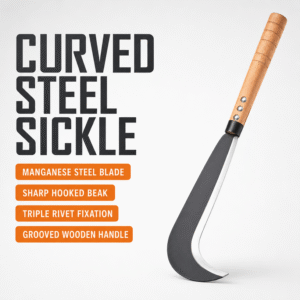
Some cane knives have a hook at the tip to help move cut stalks. Others have no hook and may use a straight or broad blade.
That variation matters. A tender asking for a hooked pattern cannot be met simply by offering any product called “cane machete.”
Likewise, a general-purpose clearing machete might cut a stalk. That does not prove it matches a harvesting crew’s preferred cane knife.
Product names can overlap without erasing functional differences. Treat the category as a starting point, not proof of equivalence.
Request a Wholesale Quote:Whatsapp : (+86 13383021196) E-mail : gemlight@ganzhedao.com
What Does Cane Harvesting Ask of the Blade?
Manual cane cutting involves repeated work on tough stalks. The user may cut near the base and handle leaves or fallen cane.
Ask where and how workers make those cuts. A blade that works for high brush clearing may feel different close to the ground.
Tip shape deserves special attention. A hook may help with handling material, but it can also change the blade’s outline and packing needs.
Do not assume a hook is required in every growing region. Local work habits and the existing tool are better guides than a universal claim.
Compare blade width and reach. Some buyers prioritize a broad working edge, while others need a slimmer blade for a different technique.
Check weight in the hand, not just on a scale. Distribution across the blade and handle affects how repeated swings feel.
Ask whether tools arrive with an edge suited to immediate field use or require further sharpening. Agree on that point before pricing.
Wet field conditions may make handle grip and corrosion protection important. Specify desired finish and packaging rather than assuming them.
A field trial with intended users can uncover a mismatch early. It should assess cutting control, handling, grip, and any hook’s usefulness.
How Can Importers Avoid the Wrong Cane Knife?
Request front and side photographs with a ruler. Show the full tip and handle rather than relying on a close-up of the cutting edge.
Record blade length, overall length, maximum width, thickness, weight, and edge location. Define how each measurement is taken.
State clearly whether the tip must be hooked, rounded, squared, or another approved shape. “Cane knife” alone cannot answer this.
Identify the handle material, grip length, and attachment method. These details affect replacement needs and the consistency of bulk deliveries.
Request the offered steel grade and any required hardness evidence. Avoid accepting vague claims such as “extra strong” in place of testable requirements.
Ask whether the supplier’s quoted sample includes sharpening, protective oil or coating, and an edge guard. Compare like with like.
If you need several sizes, assign separate model codes. A supplier should not combine them under one unclear “standard cane knife” line.
When a buyer supplies a used reference tool, inspect its unworn portions. Repeated sharpening can change the apparent edge shape and width.
Agree on the approved sample and measurable tolerances before production. Inspect both appearance and critical dimensions before shipment.
For tenders, create a requirement-by-requirement compliance sheet. State proposed alternatives openly and follow the buyer’s approval process.
Request a Wholesale Quote:Whatsapp : (+86 13383021196) E-mail : gemlight@ganzhedao.com
Should Traders Stock a Cane Knife Separately?
That depends on customer demand and the difference from your general clearing tools. A separate range makes sense when buyers recognize a crop-specific need.
Ask retailers which tool farm workers request by name. Then check whether those workers expect a particular blade, hook, or handle.
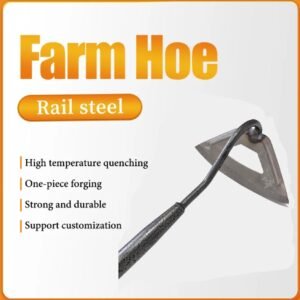
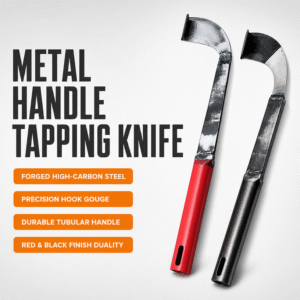
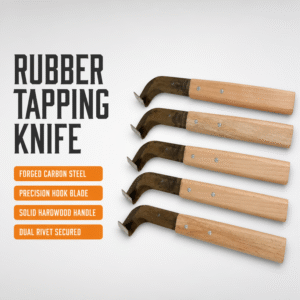
Product pages should show the actual cane-use design. Do not rely on a generic machete picture while selling a differently shaped tool.
Explain what the pictured model includes: hook or no hook, blade measurements, handle, edge finish, and packing. This reduces mismatched inquiries.
If one model genuinely serves several uses, describe them accurately. Avoid promising equal performance across all crops and vegetation without testing.
For search visibility, give the page a clear question to answer. “Cane knife versus machete” should resolve naming confusion and guide selection.
A separate model page can then provide dimensions and an inquiry path. Helpful explanations bring qualified buyers closer to a useful quotation.
What Belongs in a Cane Knife Inquiry?
Name the destination market and crop. Add a photograph of the current tool or an approved drawing, including the full tip profile.
Describe the manual cutting task, required dimensions, handle, finish, edge condition, packaging, and expected quantity where known.
Ask suppliers to distinguish the quoted item from any alternative cane pattern. A lower price for a nonmatching tip or handle is not a direct comparison.
Request a sample for end-user evaluation before bulk production. Keep the approved version tied to a model code and written specification.
So, is a cane knife a machete or a crop tool? It can be both in trade classification, while remaining a distinct harvesting specification.
If you are sourcing cane knives, share your reference pattern and field requirements. We can discuss the right sample instead of assuming all cane blades match.
Request a Wholesale Quote:Whatsapp : (+86 13383021196) E-mail : gemlight@ganzhedao.com