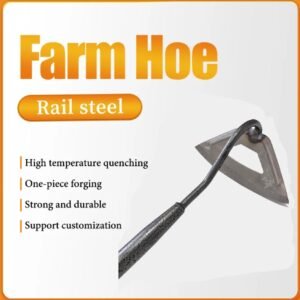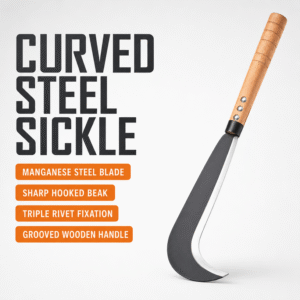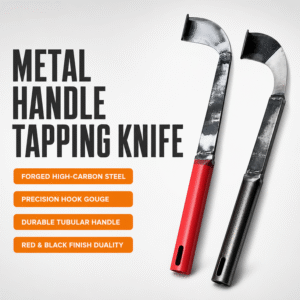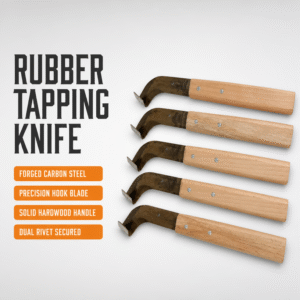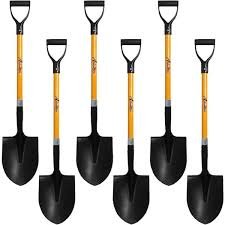
A heavy duty digging shovel is a core tool for professional environments where soil resistance, workload intensity, and tool longevity directly affect operating costs. For your business, this product is not a seasonal accessory but a long-term revenue driver that supports stable demand across agriculture, construction, infrastructure, and landscaping sectors. When you source a heavy duty digging shovel built for professional use, you strengthen your portfolio with a product that delivers durability, efficiency, and predictable performance under extreme conditions.
A heavy duty digging shovel is designed for tasks where standard shovels fail. In agriculture, it is used for land preparation, deep trenching, soil relocation, and irrigation channel excavation. Therefore, farms and plantations rely on this tool throughout the year, not only during planting seasons.
Moreover, construction and infrastructure projects depend on heavy duty digging shovels for foundation preparation, drainage work, and utility installation. Landscaping contractors also require these tools for earthmoving and site leveling in compacted soil. Because these industries operate continuously, your demand cycle remains stable and predictable.
Load-bearing design advantages for professional users
The defining characteristic of a heavy duty digging shovel is its ability to withstand high impact and sustained pressure. Reinforced blade geometry allows users to penetrate hard soil without deformation. As a result, work progresses faster, and tool failure rates are significantly reduced.
Additionally, a strong digging shovel minimizes interruptions caused by bending or cracking. For your buyers, this reliability translates into higher labor efficiency and lower replacement frequency. When your product consistently performs under stress, it becomes a trusted choice in professional toolkits.
Blade material engineering for extreme conditions
Material selection is the foundation of a heavy duty digging shovel’s performance. High-carbon steel is commonly used due to its superior strength, abrasion resistance, and load tolerance. Through precise heat treatment processes, the blade achieves a balance between hardness and flexibility.
Furthermore, controlled steel composition ensures resistance to chipping and edge collapse. This matters because professional users often encounter stones, roots, and compacted layers. When the blade maintains integrity after repeated impact, your customers recognize its long-term value.
Blade thickness and reinforcement strategy
A heavy duty digging shovel requires optimized blade thickness to resist bending while maintaining penetration capability. Reinforced spines and ribs increase structural rigidity without adding unnecessary weight.
Moreover, uniform thickness across production batches ensures consistent performance. For bulk buyers, this consistency reduces quality variation and simplifies procurement decisions. When each shipment performs the same as the last, trust in your supply chain grows.
Surface treatment for longevity and appearance
Professional digging tools operate in harsh environments, including moisture, chemicals, and abrasive soil. Therefore, surface treatment is essential. Polished or coated blades reduce soil adhesion and improve corrosion resistance.
Additionally, consistent surface finishing enhances visual quality, supporting your brand’s professional image. For wholesalers and distributors, this visual consistency improves shelf presentation and buyer confidence.
Handle design for power transfer and comfort
The handle plays a critical role in maximizing the effectiveness of a heavy duty digging shovel. Longer handles provide increased leverage, allowing users to apply greater force with less effort. As a result, productivity improves, especially during deep excavation.
Wooden handles offer shock absorption and are favored in traditional agricultural markets. Fiberglass or reinforced composite handles provide higher durability and resistance to moisture. By offering multiple handle options, you adapt to regional preferences while maintaining core strength standards.
Joint reinforcement and assembly reliability
In heavy duty applications, the blade-to-handle joint experiences extreme stress. Reinforced sockets, precision fitting, and secure fastening methods are essential to prevent loosening or breakage.
Moreover, reliable assembly reduces safety risks and downtime. For your business, this means fewer after-sales issues and stronger long-term relationships with buyers. Assembly quality is a decisive factor in bulk purchasing decisions.
Manufacturing processes that ensure structural consistency
A dependable heavy duty digging shovel is the result of controlled manufacturing. Forging or heavy stamping processes ensure dense steel structure and uniform blade geometry. Heat treatment stages such as quenching and tempering further refine mechanical properties.
Additionally, standardized assembly lines ensure repeatability across large volumes. For importers and distributors, this production stability simplifies quality verification and supports long-term sourcing strategies.
Quality control measures for bulk procurement
In B2B supply chains, quality control protects margins and reputation. Heavy duty digging shovels should undergo hardness testing, load resistance checks, and handle pull tests. Visual inspections confirm surface consistency and assembly accuracy.
Furthermore, documented inspection procedures reduce disputes and build confidence across repeated orders. When quality remains stable, your purchasing process becomes more efficient and less reactive.
Packaging solutions for heavy-duty logistics
Packaging is often underestimated, yet it directly impacts transportation efficiency. Heavy duty digging shovels are typically packed in reinforced bundles or export-grade cartons designed to withstand long-distance shipping.
Additionally, optimized packing layouts maximize container utilization, reducing freight cost per unit. For bulk buyers, efficient packaging improves landed cost control and warehouse handling efficiency.
Bulk purchasing economics and margin stability
From a commercial standpoint, a heavy duty digging shovel offers strong economies of scale. High demand across multiple industries ensures continuous turnover. Therefore, inventory risk remains low.
Moreover, bulk purchasing reduces unit cost, allowing you to maintain competitive pricing while protecting margins. When combined with stable production capacity, this product becomes a reliable contributor to long-term profitability.
OEM customization for brand positioning
OEM cooperation allows you to tailor the heavy duty digging shovel to your brand strategy. Custom handle colors, blade finishes, and packaging designs reinforce brand recognition in your target markets.
Additionally, private labeling enables differentiation without changing core functionality. This approach strengthens your market presence while maintaining manufacturing efficiency.
ODM development for specialized markets
ODM capabilities enable deeper customization for specific applications. Blade shapes, thickness profiles, and handle lengths can be adjusted to suit particular soil conditions or professional requirements.
As a result, you offer solutions that competitors cannot easily replicate. This strategic flexibility enhances customer loyalty and supports premium positioning where performance matters most.
Global market adaptability and scalability
A heavy duty digging shovel is relevant across diverse regions. In agricultural economies, durability and price balance drive purchasing decisions. In construction-driven markets, strength and reliability take priority.
By maintaining core quality while adjusting specifications, you can adapt one product to multiple markets. This scalability supports expansion without unnecessary product diversification.
Total cost of ownership advantages for buyers
Professional buyers evaluate tools based on lifetime value rather than initial price. A durable heavy duty digging shovel reduces replacement frequency and minimizes downtime.
Therefore, positioning your product as a long-term investment strengthens purchasing confidence. When buyers experience consistent performance, reorder cycles shorten and order volumes increase.
Sustainability through durability and reduced waste
Durable tools contribute to sustainability by reducing consumption and disposal rates. A long-lasting heavy duty digging shovel aligns with growing expectations for responsible sourcing and efficient resource use.
Additionally, stable manufacturing partnerships ensure continuous supply even during market fluctuations. For your business, this reliability supports long-term planning and risk management.
After-sales stability and reduced operational friction
Consistent quality minimizes warranty claims and customer complaints. This stability protects your margins and reduces administrative workload.
Moreover, satisfied buyers are more likely to maintain long-term cooperation. Over time, this reliability becomes a competitive advantage that compounds business growth.
Portfolio strengthening for professional tool suppliers
Adding a heavy duty digging shovel to your product lineup enhances your overall offering. It complements agricultural and construction tools, enabling cross-selling and higher average order values.
Furthermore, this product category integrates easily into existing distribution networks, making it a low-risk addition with strong return potential.
Long-term cooperation and production scalability
Reliable manufacturing partners support growth by scaling capacity as demand increases. Consistent quality, transparent communication, and production flexibility form the foundation of sustainable cooperation.
As order volumes rise, production efficiency improves, lowering costs and strengthening your competitive position in global markets.
Final value outlook for B2B buyers
A heavy duty digging shovel is more than a reinforced hand tool. It is a strategic product that delivers durability, efficiency, and stable returns for importers, wholesalers, distributors, and brand owners. By focusing on material engineering, manufacturing control, and bulk purchasing advantages, you secure a product that performs reliably in demanding environments. Choosing the right heavy duty digging shovel positions your business for long-term success, consistent demand, and scalable growth.