Quick Answer
For mixed machete shipments, mark each carton with a controlled technical SKU, model revision, production lot, unit count and purchase-order reference. Identify partial or mixed cartons explicitly. Link carton numbers to a pallet ID and the actual per-SKU packing list. Before shipment, check labels against the tools inside sampled cartons so receiving staff can distinguish similar regional names without opening every box.
Key Takeaways
- A regional name alone does not identify a finished blade model.
- A mixed carton must disclose the count of each SKU inside.
- Planned pallet counts must be updated when cartons change during loading.
Identify the Finished Model, Not Just Its Name
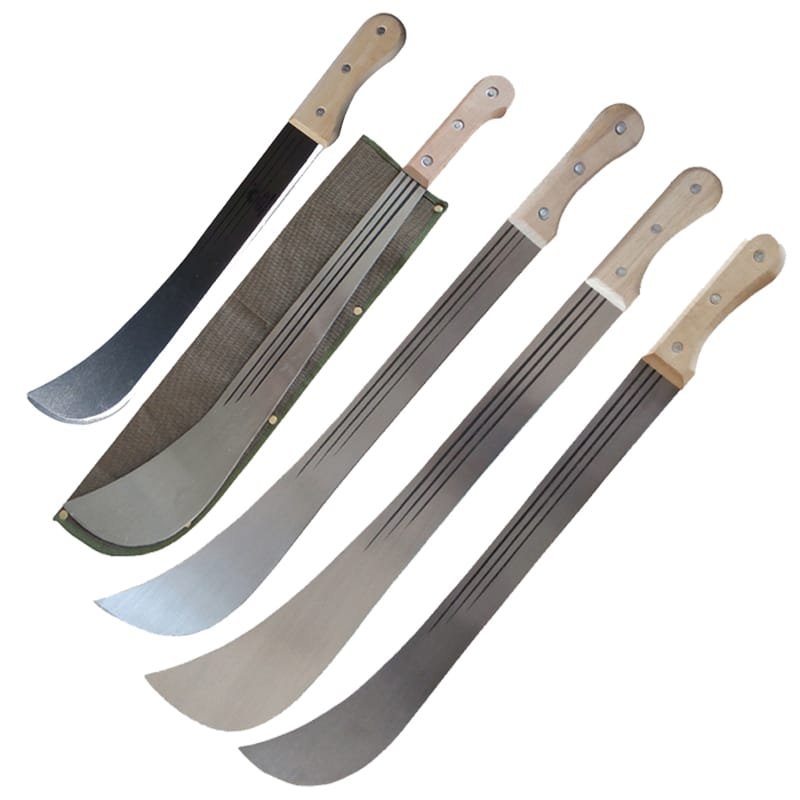
Use a technical SKU linked to the approved blade outline, handle, edge, guard and drawing revision. A label reading “panga” or “cutlass” may mean different profiles in different markets.
Map supplier codes and private-label variants to the buyer’s technical SKU before printing cartons. Separate old and revised stock whenever both can enter the warehouse.
Request a Wholesale Quote:Whatsapp : (+86 13383021196) E-mail : gemlight@ganzhedao.com
| Known field | Verify | Buyer action |
|---|---|---|
| SKU and revision | Finished blade and packed variant | Match to approved sample. |
| Lot and count | Actual units, including partial cartons | Compare with physical contents. |
| PO and destination | Buyer order and receiving site | Keep routing distinct from SKU. |
| Pallet/carton IDs | Final manifest and location | Reconcile after loading. |
Make Each Carton Readable at Receiving
Show SKU, revision, count with unit of measure, lot and purchase-order reference. Give partial cartons their actual counts. For mixed cartons, list each inner SKU and quantity rather than labeling the whole case as one model.
Place a durable label where staff can read it through pallet wrap. A barcode can help, but retain human-readable text and check that the scanned record describes the correct packed unit.
Link Pallets to Physical Contents
Assign every pallet an ID. List its carton numbers, quantities by SKU and lots in the final packing list; include layer notes for a hard-to-find low-volume model.
At pre-shipment inspection, open cartons from every SKU and verify marks against the blade, handle, guard and count. If labels are wrong, document the affected carton and extend checks under the agreed inspection plan. At receiving, reconcile pallet ID, cartons, invoice and purchase order.
Request a Wholesale Quote:Whatsapp : (+86 13383021196) E-mail : gemlight@ganzhedao.com
Carton-Marking RFQ Checklist
- Technical SKU and revision: prevent similarly named models from being swapped.
- Lot and actual carton count: support shortage and complaint tracing.
- Mixed-carton inner schedule: identify each model inside a shared case.
- PO and destination codes: route cartons without changing product identity.
- Label position and readability: keep marks usable after wrapping.
- Pallet ID and final manifest: reconcile actual loading with the order.

Buyer FAQ
Can a regional blade name replace a SKU?
No. Use the approved technical model code.
Is a barcode enough?
No. Retain readable text for scanning failures and manual receiving.
What if a carton was reworked?
Update its label and the final pallet manifest before dispatch.
Request a Wholesale Quote:Whatsapp : (+86 13383021196) E-mail : gemlight@ganzhedao.com