Quick Answer
Uneven edges can reflect differences in grinding position, blade geometry, remaining burrs, finish requirements or damage after packing. Classify the symptom before asking for rework. Compare both blade faces, the approved sample, factory records and untouched cartons. Record model, lot, edge location and frequency; a nick at an exposed tip needs a different remedy from a consistently wide ground bevel.
Key Takeaways
- A different bevel appearance is not automatically a failure of edge performance.
- A burr and a transit nick can require different corrective actions.
- One close-up photograph cannot establish the defect rate of a full lot.
What Does “Uneven Edge” Mean on the Sample?
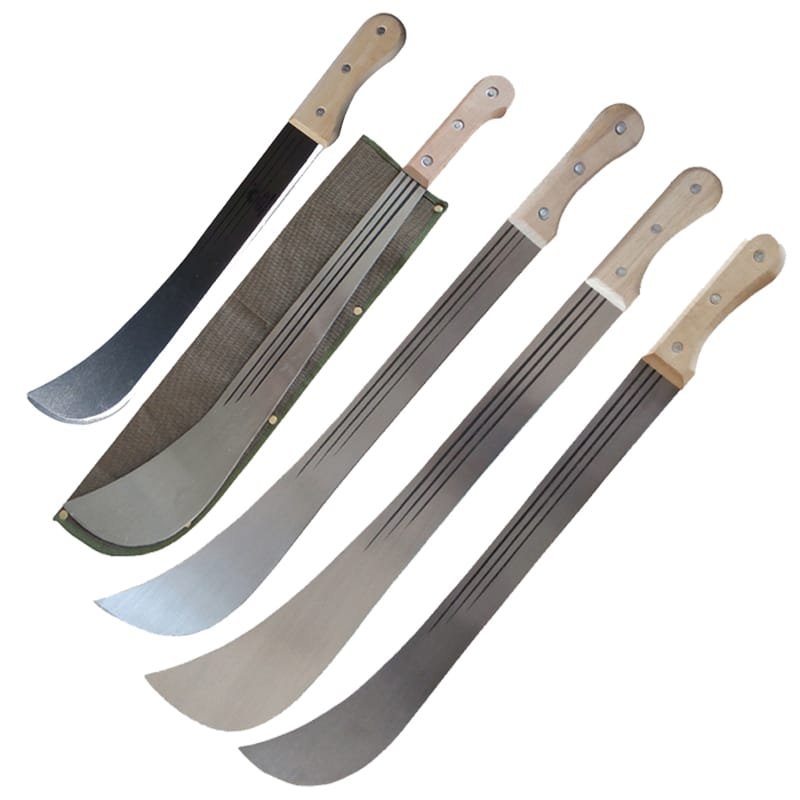
Bevel width is the visible ground band; it can vary with stock thickness or grinding position. Inspect both faces against an approved sample, including any intentionally asymmetric grind.
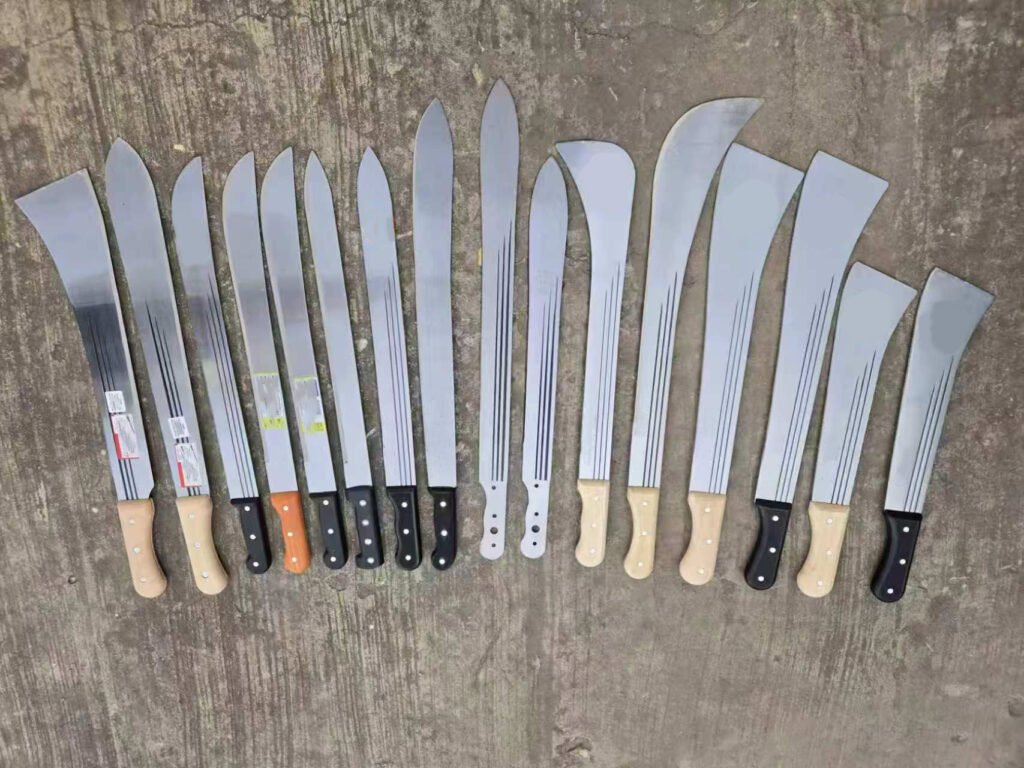
Identify burrs, specified unsharpened sections, coating residue, edge waves, nicks and bent tips separately. Mark the blade location and model. A wrong profile in the carton may appear to have a different edge length.
Photograph full blades and close-ups with a ruler beside—not touching—the edge. Keep affected blades and unopened cartons before grinding away the evidence.
Request a Wholesale Quote:Whatsapp : (+86 13383021196) E-mail : gemlight@ganzhedao.com
Could Manufacturing Explain the Difference?
Grinding setup, operator finish, blade taper and access around a belly or hook can change visible bevels. Ask for process and abrasive-maintenance records instead of naming a cause from a photograph alone.
Compare edge start and end points, burr condition and both faces with the retained production-intent sample. A cosmetic difference is not necessarily an application failure, but it still needs a contractually agreed acceptance rule.
Review first and last units of a production period where available. If results drift, ask when the process changed and how the factory verified the correction.
| Observed condition | Needs verification | Buyer action |
|---|---|---|
| Variable bevel width | Thickness, intended grind and setup records | Compare both faces with approved sample. |
| Raised burr | Location and finishing step | Document and agree on safe rework. |
| Tip nick or bend | Guard and carton contact | Inspect unopened units by position. |
| Missing edge section | Approved sharpened-area drawing | Decide whether it is specified or defective. |
What Can Cartons and Records Reveal?
Sample multiple cartons and positions; a cluster of tip damage at outer walls may signal packing contact. Inspect guards for cuts or displacement, and compare any factory pre-pack photos with arrival condition.
Separate untouched shipment tools from returns already sharpened in the field. Record counts by symptom, model, batch and carton position so a severe example is not mistaken for universal failure.
If the cause remains uncertain, agree on independent sampling before sorting or reworking the balance of the shipment.
Request a Wholesale Quote:Whatsapp : (+86 13383021196) E-mail : gemlight@ganzhedao.com
How Should Buyers Specify a Corrective Order?
RFQ checklist:
- Approved edge map and finished sample: define start, end and bevel appearance.
- Both-face photographs and tip detail: make observations repeatable.
- Acceptable burr and visual variation: avoid arbitrary rejection.
- Guard and carton layout: control post-grind transport damage.
- Production sampling and defect counts: establish lot scope.
- Cause-specific rework and reinspection: verify that the chosen fix addresses the confirmed issue.
Approve revised production before accepting a generic promise to “fix the edges.”
Buyer FAQ
Does an uneven-looking bevel mean a dull blade?
Not necessarily. Compare the agreed finish and actual cutting requirement.
Can a new guard fix grinding inconsistency?
No. It can address transit contact, not a variable grinding setup.
Should returned tools and sealed-carton tools be combined in the same count?
No. Used tools may have been resharpened after delivery.
Request a Wholesale Quote:Whatsapp : (+86 13383021196) E-mail : gemlight@ganzhedao.com