Hand Digger: Complete B2B Guide for Soil Work and Agriculture
When U consider a hand digger, U’re investing in a small but crucial tool that supports planting, soil preparation, and landscaping in farms, gardens, or nurseries. The hand digger plays a vital role in loosening soil, digging small holes, transplanting seedlings, and weeding. As a supplier or distributor, understanding different types, materials, and use‑cases for a hand digger helps U choose products that deliver reliability, durability, and solid performance — which in turn raises customer satisfaction and reduces return rates.
Because many of your clients operate in diverse environments — from smallholder farms to commercial nurseries — selecting the proper hand digger can significantly improve efficiency while reducing labor intensity. Therefore, mastering the options and guidelines for hand diggers gives U a competitive advantage.
What Is a Hand Digger — Definition and Use Cases
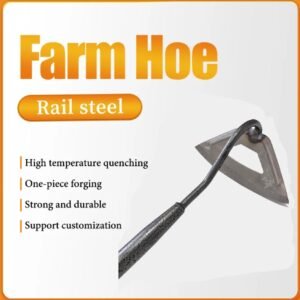
A hand digger (sometimes called a hand spade, hand hoe with digging head, or garden digger) is a manual tool designed for digging small holes, loosening soil, transplanting plants, and uprooting weeds. It typically features a sharp or slightly curved metal blade made of carbon or stainless steel, attached to a short or medium‑length handle — often wood or reinforced plastic. Because of its compact size, it is ideal for tasks that require precision or are performed in confined areas such as nurseries, gardens, or close‑planted fields.
Practical applications of a hand digger include:
-
Planting seedlings, bulbs, and small plants
-
Transplanting seedlings without damaging roots
-
Breaking up compacted soil for better aeration
-
Weeding and removing deep-rooted weeds
-
Mixing in fertilizers or compost in planting holes
The versatility of the hand digger makes it indispensable for small‑scale farms, garden centers, nurseries, and agro suppliers who need reliable, easy‑use tools.
Types of Hand Diggers and Their Typical Designs
Hand diggers come in several variations to suit different soil conditions, planting methods, and user preferences. Here are common types distributors often offer:
Garden Hand Digger / Hand Spade
-
Small metal blade (often 6–8 inches), slightly curved or semi‑flat
-
Short handle (~25–35 cm) for close‑soil work
-
Lightweight, easy to maneuver — ideal for transplanting or small‑plot planting
Serrated Hand Digger (Soil Knife / Soil Saw)
-
Blade with one straight edge and one serrated edge
-
Useful for cutting through roots, compact soil, or sod when digging
-
Effective for planting or removing deeply rooted weeds
Hand Hoe / Hand Cultivator (Digging‑Hoe Combo)
-
Blade set at right angle or slight tilt relative to handle
-
Useful for digging, loosening soil, and shallow cultivation
-
Good for garden beds, small plots, and preliminary soil prep
-
Mini Post‑Hole or Plug Digger (Hand Post‑Hole Digger / Auger‑style)
-
For small holes (e.g. planting saplings, fence posts, seedlings)
-
Manual auger or clam‑shell design to extract soil plugs without broad digging
-
Better for compact soil or where minimal soil disturbance is needed
Each type serves a specific niche. As a supplier, offering a set of these diggers gives flexibility to customers with varying needs — from nurseries to small farms to landscaping operations.
Key Specifications to Evaluate When Sourcing Hand Diggers
When buying or sourcing hand diggers for distribution, U should check these critical attributes:
Blade Material and Treatment
-
Prefer high‑carbon steel or hardened steel for durability and rust resistance.
-
Heat‑treated blades maintain edge sharpness and resist bending or breakage under pressure.
Blade Shape and Edge
-
Curved or semi‑concave blades ease soil penetration and root extraction.
-
Serrated edges (on digger or soil‑knife type) improve root cutting and sod‑breaking performance.
Handle Material and Ergonomics
-
Hardwood handles offer shock absorption and traditional feel.
-
Plastic or fiberglass handles resist moisture and are less prone to cracking — ideal for humid climates or export markets.
-
Grip design: ergonomic or cushioned grips reduce fatigue for long‑term use.
Overall Build Quality
-
Solid tang or full‑tang construction for strength where blade meets handle.
-
Welded or riveted joints rather than simple socket-style attachments — gives longer life under heavy use.
-
Protective coating (paint, powder‑coat, anti‑rust oil) to resist corrosion — especially for humid or tropical environments.
By verifying these specs, U ensure delivered products perform reliably and reduce after‑sale issues.
Advantages of Hand Digger for Farms, Nurseries, and Distributors
Using a high‑quality hand digger offers multiple advantages:
-
Precision: Ideal for small holes, transplanting, and working around existing plants.
-
Low cost & maintenance: Simple design means minimal maintenance and easy repair or replacement.
-
Versatility: Suitable for soil loosening, transplanting, weeding, root removal, and more.
-
Portability: Compact size makes transport, storage, and handling easy — suitable for small plots and mobile farms.
-
Suitability for smallholders: Many farms worldwide are small-scale; hand digger remains the primary tool for such operations.
From a business perspective, hand digger covers a broad customer base — from backyard gardeners to professional nurseries and small farms — making it a staple item in an agro‑tool catalog.
Common Issues with Hand Digger & How to Avoid Them
When hand diggers are poorly designed or manufactured, common failure points include:
Blade bending or breaking — often due to thin or low‑quality steel.
Solution: Source only heat‑treated, thick‑blade diggers with forged steel.
Handle breakage or loosening — frequent complaint from end users.
Solution: Ensure full‑tang or robust socket design with strong rivets or welding; avoid cheap socket‑style handles.
Rust & corrosion — particularly in humid climates or when tools stored wet.
Solution: Provide powder‑coated or oil‑finished blades; recommend dry storage.
User fatigue for long jobs — if handle and grip design poor.
Solution: Offer ergonomic grips, cushioned handles, and optimum handle length for leverage.
By anticipating these issues, U reduce return rate and increase customer satisfaction.
Procurement & Supply‑Chain Best Practices for Hand Diggers
For buyers and distributors, following these guidelines helps maintain quality and supply consistency:
-
Verify manufacturer’s technical specs: blade steel grade, heat‑treatment, handle material.
-
Require sample inspection before bulk order — test for strength, balance, and weld stability.
-
Request corrosion‑resistant finish when targeting humid or tropical export markets.
-
Offer clear packaging instructions — include protective covers or sleeves to prevent blade damage.
-
Maintain MOQ and order lead time planning, especially for OEM/custom‑brand orders.
-
Provide end‑user instructions about maintenance and storage — reduces complaints.
These practices help build a reliable brand reputation and secure repeat orders from B2B clients.
Market Segments & Use Cases for Hand Diggers
Hand diggers serve diverse sectors including:
-
Nurseries and plant farms — for transplanting, seedling planting, soil loosening
-
Smallholder farms — planting, weeding, soil prep without heavy machinery
-
Gardening and landscaping companies — beds, small gardens, decorative planting
-
Urban agriculture & community gardens — low-cost, low-space, manual tools preferred
-
Greenhouse and pot‑based operations — transplanting and pot filling
Because of this wide range, hand digger remains a high-turnover item for distributors targeting varied customer types.
Combining Hand Digger in a Farm Tool Portfolio — Why It Matters
If U build a catalog of agricultural tools, including hand digger alongside hoes, shovels, machetes, watering tools, etc., you cover essential phases: soil prep, planting, maintenance. This completeness gives clients a one‑stop solution — increasing basket value, improving customer loyalty, and reducing fragmented purchases.
Moreover, hand digger often attracts small‑volume buyers (gardeners, nurseries) — which helps diversify market reach beyond large farms and industrial buyers.
Conclusion
A hand digger might seem simple, but its role in agriculture, gardening, and small‑scale farming is significant. With correct materials, ergonomic design, and quality finishing, it becomes a reliable, durable, and versatile tool for soil work, planting, transplanting, and maintenance.
For U as distributor or supplier, offering a well‑designed hand digger strengthens your product line, meets demands of gardeners, nurseries, and smallholders, and increases overall business stability. Choosing the right hand digger today means fewer returns, higher customer satisfaction, and long-term B2B success.