Quick Answer
Assign one stable technical SKU to each controlled finished machete model and revision. Keep “panga,” “cutlass” and other regional terms as searchable market aliases, not as substitutes for the drawing or approved sample. Record blade and overall length, profile, handle, edge and packed condition under the SKU. Use the same identifier on quotes, orders, invoices, cartons and return records.
Key Takeaways
- One regional name can refer to several different blade profiles.
- Two market names can map to one verified technical model.
- A changed tip or handle may require a new SKU or controlled revision.
Request a Wholesale Quote:Whatsapp : (+86 13383021196) E-mail : gemlight@ganzhedao.com
How Do Regional Names Relate to the Tool?
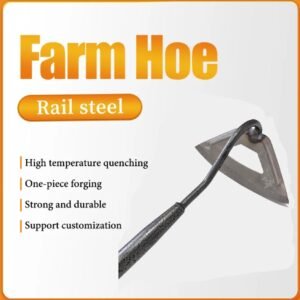
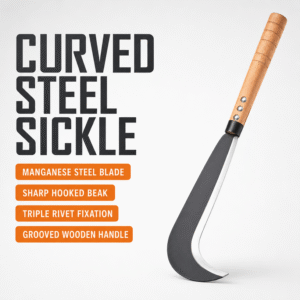
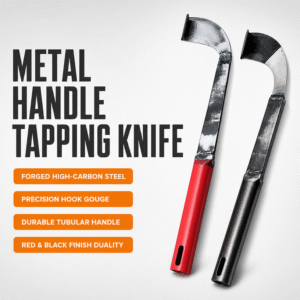
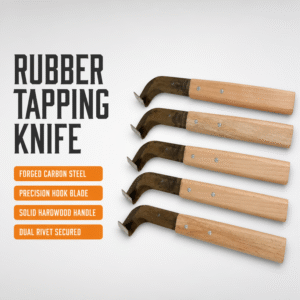
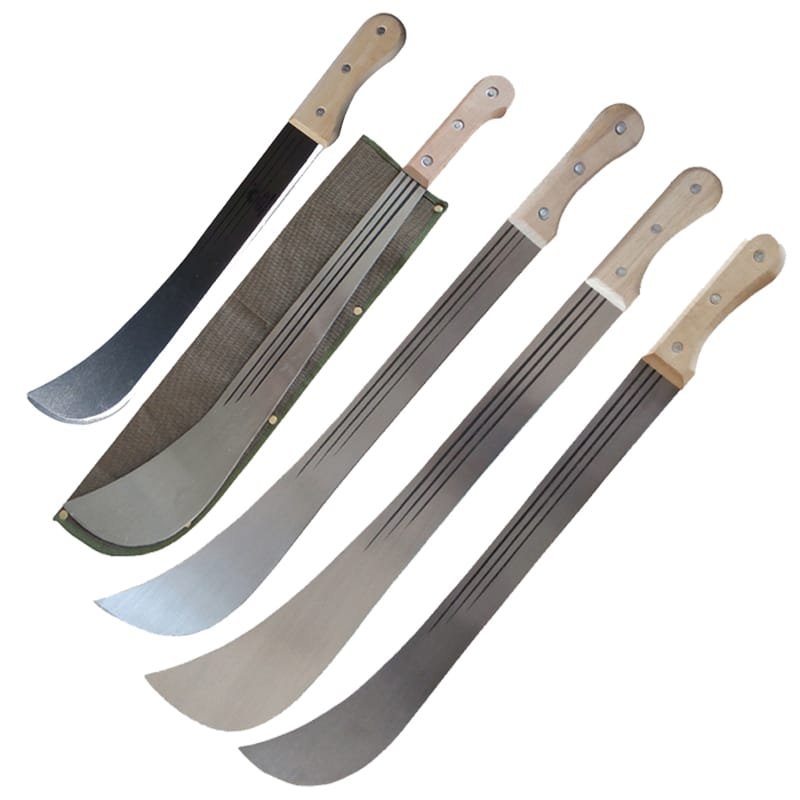
Start with a drawing or signed sample. A local “panga” or “cutlass” describes how a market asks for a tool; it does not establish blade belly, tip, handle or delivered edge. Keep the customer’s wording in a market-specific alias field and flag names that can point to several profiles.
When a customer name is ambiguous, request a photograph before mapping it to stock. Do not create duplicate technical SKUs merely because two markets call the same verified model by different names. Pattern terminology examples can illustrate overlap, not define the buyer’s product.
| Record | Controlled content | Use |
|---|---|---|
| Technical SKU | Profile, dimensions, handle and packed configuration | Factory order and inspection. |
| Market alias | Local term, language and market | Search and buyer-facing display. |
| Revision | Approved drawing or sample change | Stock and returns traceability. |
Which Changes Need SKU or Revision Control?
Use one code for a defined finished blade, handle, edge and accessories. Record blade and overall length in separate fields and keep units consistent. Distinguish bare bulk tools from guarded or retail-packed kits when those are separate sellable units.
Do not reuse an old SKU for a new tip or handle if returned units become indistinguishable. A cosmetic market alias can change without changing the drawing; a material or profile change cannot. Map superseded codes and private-label artwork variants to the stable technical model.
How Do Catalog and Warehouse Records Stay Aligned?
Put the same code on supplier quotes, purchase orders, invoices, packing lists and cartons. Link barcodes and model photographs to the packed unit actually shipped. Check representative cartons after label changes, including mixed-model orders.
Track wrong-model returns by alias, channel and code. Update market wording after field feedback without silently changing a technical drawing. Keep older order and image revisions so buyers can identify the tool they previously received.
Request a Wholesale Quote:Whatsapp : (+86 13383021196) E-mail : gemlight@ganzhedao.com
What Should a Naming-Control RFQ Ask?
RFQ checklist:
- Internal SKU and approved drawing: identify the exact finished tool.
- Market aliases and language: separate local wording from specification.
- Dimensions, handle and edge: detect similar-name differences.
- Revision and substitution policy: stop silent model changes.
- Artwork, guard and packed variant: map each sellable unit.
- Carton, invoice and barcode mapping: reconcile shipment and returns.
Buyer FAQ
Must every local name have its own technical SKU?
No. Verified identical models can share a technical code.
Is “panga” enough on an RFQ?
No. Attach a profile, dimensions and sample reference.
Can marketing rename a model without factory approval?
Only if the technical SKU and specification remain unchanged.
Request a Wholesale Quote:Whatsapp : (+86 13383021196) E-mail : gemlight@ganzhedao.com