Quick Answer
Build a private-label agricultural machete range around distinct local cutting jobs, not five lengths of the same blade. Select a small group of finished profiles, trial them with representative users and approve one specification per SKU. Align blade, handle, logo, model and lot marks, guards and carton labels before launch. Track sell-through, returns and changes by model so repeat orders reproduce the accepted design.
Key Takeaways
- Different local tool names do not replace a measured profile drawing.
- A logo identifies a brand; model and lot codes support traceability.
- A new steel or handle component requires review against the approved model.

Map Jobs and Existing Buying Habits
Ask retailers which blades customers request and reorder. Photograph local reference tools and separate harvesting, grass clearing and mixed brush. Define each channel’s target price and any tender-mandated features.
Test a limited set before committing to a fully branded range in a new territory. If two proposed SKUs solve the same job, check whether customers need both.
Request a Wholesale Quote:Whatsapp : (+86 13383021196) E-mail : gemlight@ganzhedao.com
| Range decision | Needs verification | Buyer action |
|---|---|---|
| Core harvesting model | Local crop and reference blade | Test finished profile with workers. |
| Clearing option | Distinct task and handling need | Avoid cosmetic duplication. |
| Brand and carton | Model, lot, logo and guard fit | Approve a packed sample. |
| Repeat order | Returns and revision history | Control material or handle changes. |
Design and Approve Distinct Finished Models
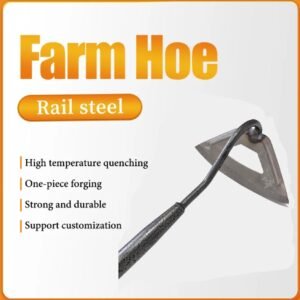
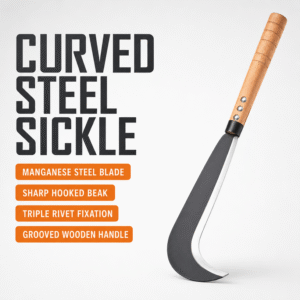
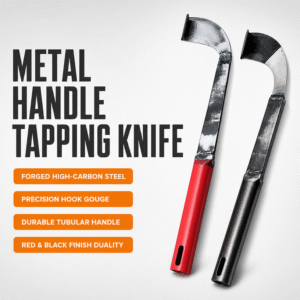
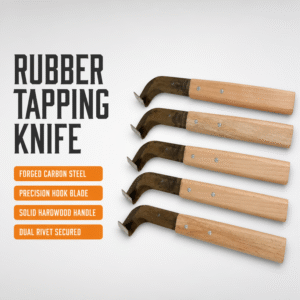
Compare profile, length, width, tip, assembled weight, handle and finish. A bolo or panga label does not define one universal shape. Set one specification, drawing revision and approved sample for each SKU.
State steel or chemistry requirements, heat-treatment evidence when needed, edge condition and corrosion protection. Choose a transport guard, carry sheath or retail sleeve according to the channel.
Align Marks, Packaging and Repeat Demand
Proof logo size and placement on the actual handle material without compromising grip. Link model and lot codes to supplier and distributor records; align catalog photos, inner packs and cartons with the same SKU.
Do not print unsupported steel or performance claims. Check sheath fit and edge protection on a packed sample. Launch a small differentiated set, then track sell-through, sharpening complaints, handle failures, corrosion and wrong-model returns by SKU and lot.
Expand only when another profile serves a distinct task and demand justifies the additional stock.
Request a Wholesale Quote:Whatsapp : (+86 13383021196) E-mail : gemlight@ganzhedao.com
What Should a Private-Label Range RFQ Include?
RFQ checklist:
- Target tasks and reference blades: direct design to actual users.
- One drawing and revision per SKU: prevent model mix-ups.
- Material, handle and finished edge: quote complete tools.
- Logo, model and lot artwork: align brand and traceability.
- Guard, packing and label proofs: protect each delivered profile.
- Sample, quantity and replenishment plan: test demand and repeatability.
For terminology context, see the machete style overview; approve your own market’s profile drawings.
Buyer FAQ
Is a different handle color a distinct tool?
Not unless it serves a real customer or channel need.
Can one master sample cover every blade in the range?
No. Distinct profiles and assemblies need their own identifiers and approvals.
When should the range expand?
When demand supports an additional task-specific SKU, not just another label.
Request a Wholesale Quote:Whatsapp : (+86 13383021196) E-mail : gemlight@ganzhedao.com